Residential License # 890459
Commercial License # 3667
Claim Your FREE Estimates Today!
Talk to an Expert
Residential License # 890459
Commercial License # 3667
Talk to an Expert

New Orleans homeowners are turning to screenrooms as the practical solution for enjoying outdoor living without battling mosquitoes, humidity, and seasonal storms. A professionally installed screenroom gives you a protected space that feels open to the breeze while keeping insects and debris on the other side of the mesh. If you have been thinking about reclaiming your patio or backyard from Louisiana’s relentless bugs, this guide explains why a screenroom might be the smartest upgrade you make this year.

Anyone who has lived in New Orleans for even a single summer knows the routine. You step outside to enjoy a cool evening on the patio, and within minutes, mosquitoes find you. It does not matter how many citronella candles you light or how much spray you apply. The combination of standing water, subtropical humidity, and warm temperatures makes Greater New Orleans one of the most mosquito-dense regions in the country. At TurnKey Patio, we hear from homeowners every week who have stopped using their outdoor spaces because of bugs. That is not how life in South Louisiana should work.
A screenroom solves this problem at the source. Rather than treating the symptoms with sprays and zappers, a screen enclosure creates a physical barrier between you and every flying pest in the parish. The result is an outdoor room you can actually use from March through November without swatting, scratching, or retreating inside after ten minutes.
A screenroom is a covered, screen-enclosed structure attached to your home that extends your living space into the outdoors. It typically features an aluminum frame, a solid roof for rain and sun protection, and fine mesh screening on all open sides. Some homeowners choose a screenroom as an addition to an existing patio cover, while others start from scratch with a new structure built to their specifications.

The concept is straightforward, but the execution matters. A well-built screenroom uses corrosion-resistant aluminum framing that holds up to New Orleans’ salt air and humidity. The screen mesh is tight enough to block mosquitoes, no-see-ums, and other small insects while still allowing airflow and natural light. When it rains, and it rains often here, you stay dry under the roof while the screens keep wind-blown debris from reaching your furniture and living area.
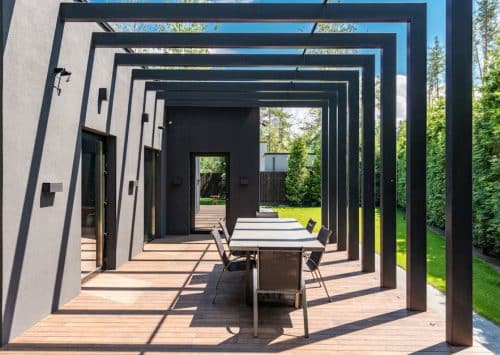
There are plenty of outdoor living upgrades available to New Orleans homeowners. You could build a deck, install a pergola, or expand your patio. All of those are valuable projects. But none of them address the single biggest complaint homeowners in this region share: insects make it impossible to relax outside.
Louisiana’s climate creates ideal breeding conditions for mosquitoes almost year-round. The warm, wet months stretch from early spring into late fall, and mild winters rarely get cold enough to break the mosquito cycle. Add in no-see-ums near Lake Pontchartrain, plus wasps, gnats, and lovebugs during their seasonal surges, and you have a compelling case for putting a screen between you and the outdoors.
Beyond pest control, screenrooms offer protection from the sudden afternoon rainstorms that roll through New Orleans almost daily during summer. Instead of scrambling to move cushions inside when the sky darkens, you keep enjoying your space. The roof handles the rain, the screens handle the bugs, and you handle the sweet tea.
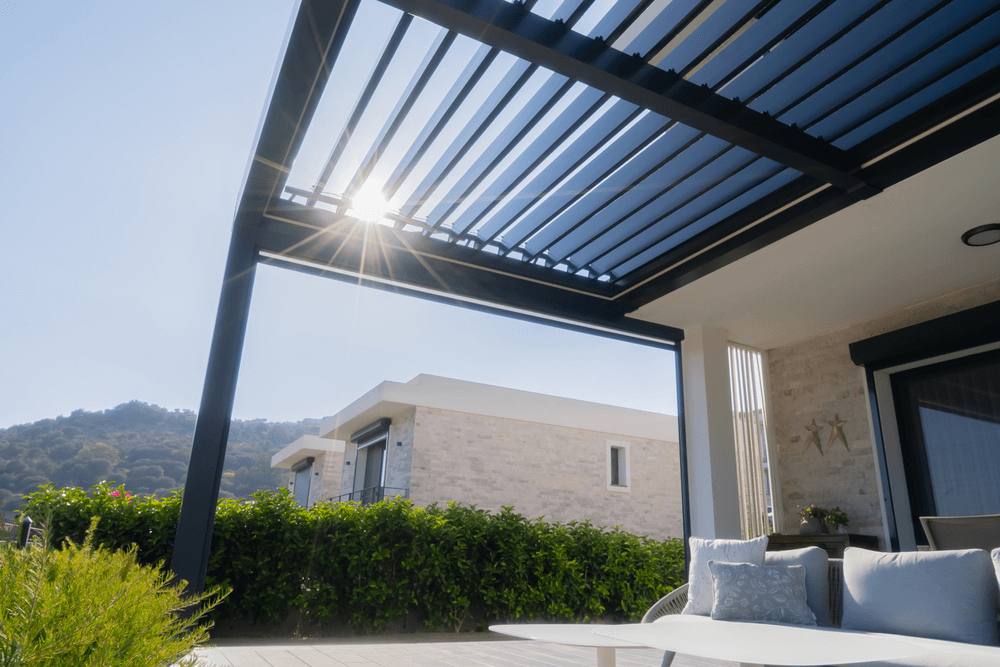
Homeowners sometimes ask whether a pergola or open patio would serve them just as well. The honest answer depends on how you plan to use the space. An open patio or pergola gives you a beautiful outdoor setting, but it does nothing to keep insects away. If your primary goal is bug-free relaxation, dining, or entertaining, a screenroom is the only option that delivers on that promise without chemicals or constant maintenance.
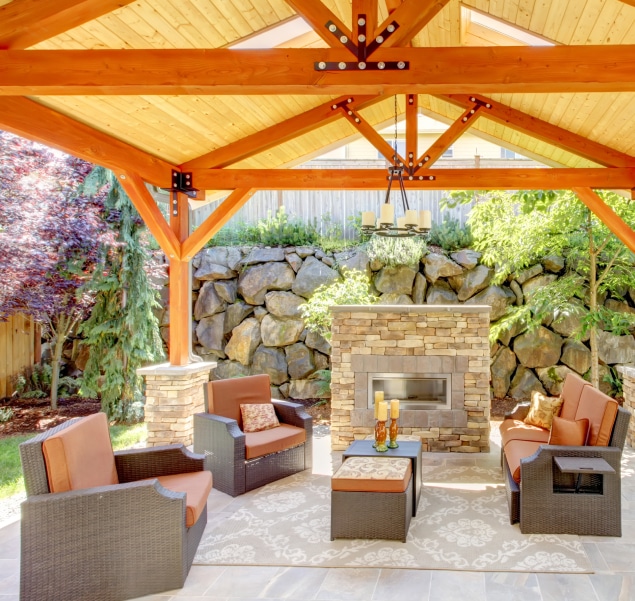
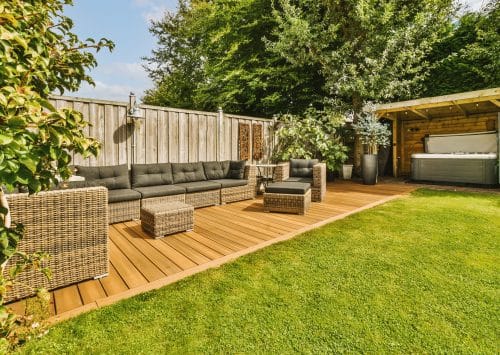
That said, many homeowners combine approaches. A screenroom can be built adjacent to a custom patio area, giving you both an open zone for grilling and yard access and an enclosed zone for dining and lounging. This layered approach works especially well on larger properties where you have room for distinct outdoor zones.

Not all screenrooms are built the same, and in a climate like ours, the details matter. Here is what separates a screenroom that lasts from one that becomes a maintenance headache within a few years.
Aluminum framing over wood: Wood frames look beautiful initially but deteriorate quickly in New Orleans’ humidity. Aluminum framing resists rust, rot, and warping, and it requires almost no maintenance. Powder-coated finishes add protection and come in colors that complement your home’s exterior.
Proper screen mesh selection: Standard fiberglass mesh works well for general insect protection. For areas near the lake or neighborhoods with heavy no-see-um activity, a finer 20×20 weave mesh blocks smaller insects without reducing airflow. Your installer should recommend options based on your location and the pests you encounter most.
Solid roof integration: A screenroom without a proper roof is just a screened porch, and in New Orleans, you need overhead protection. Insulated roof panels keep the interior cooler, reduce noise during heavy rain, and provide structural integrity. The roof should integrate cleanly with your home’s existing roofline for appearance and water drainage.
Door and entry design: A self-closing screen door with a magnetic latch keeps the enclosure sealed when you step in and out. This small detail is the difference between a bug-free room and one where mosquitoes slip in every time someone forgets to close the door.
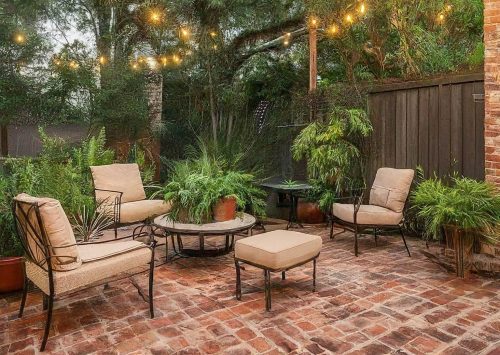
Once your screenroom is built, furnishing it transforms the space from a structure into a living area. Comfortable outdoor patio furniture rated for covered spaces works perfectly inside a screenroom. Because the furniture is protected from direct rain and sun, it lasts significantly longer than pieces exposed to the elements on an open patio.
Adding string lights across the ceiling creates a warm glow for evening use. Many homeowners also install ceiling fans to boost airflow on still summer nights. Since the space is enclosed, you get the fan’s breeze without attracting additional insects the way an open patio fan would.
For homeowners who want to extend their screenroom’s usefulness into cooler months, pairing it with impact-resistant windows on select panels creates a convertible three-season room. Close off sections during winter and open them back up when warm weather returns.
If you have been avoiding your backyard because of mosquitoes, putting off evening dinners outside because of bugs, or watching your patio furniture collect dust because the outdoors feels inhospitable, a screenroom is worth a serious look. The investment pays for itself in quality of life, not to mention the added property value and functional square footage.
TurnKey Patio designs and installs screenrooms for homeowners throughout New Orleans, Metairie, Kenner, Mandeville, Covington, Slidell, and the surrounding areas. Every project starts with a free consultation where we evaluate your space, discuss your goals, and provide a detailed quote. Visit our contact page or call (504) 285-2824 to schedule yours. We are available Monday through Friday, 8 AM to 3 PM.
Screenroom costs in the New Orleans area typically range from $5,000 to $20,000 depending on the size, materials, and features you choose. A basic 12×16-foot aluminum-framed screenroom with a solid roof generally falls in the $8,000 to $14,000 range installed. Custom sizes, upgraded mesh, and added features like ceiling fans or lighting adjust the final price.
Yes, a properly installed screenroom with quality mesh effectively blocks mosquitoes, no-see-ums, wasps, and other flying insects. Standard fiberglass screen mesh stops mosquitoes, while a finer 20×20 weave is recommended for areas with heavy no-see-um activity near Lake Pontchartrain or the Gulf Coast.
Most screenroom installations in the New Orleans area take between three and seven business days from start to completion. Simpler projects attached to an existing patio slab can be finished in as few as three days. Larger or custom-designed enclosures with additional features may require a full week or slightly longer depending on weather conditions.
In most cases, yes. A screenroom is considered a structural addition to your home and typically requires a building permit in Orleans Parish and surrounding parishes. Your contractor should handle the permitting process as part of the project scope, ensuring all work meets local building codes and wind-load requirements.
Absolutely. Screenrooms are commonly built over existing concrete patios, paver surfaces, or wood decks. Your installer will assess the condition and structural integrity of the existing surface to confirm it can support the screenroom framing and roof. In some cases, minor reinforcement or leveling may be needed before construction begins.
Screenroom maintenance in Louisiana is minimal but important. Rinse the screens with a garden hose every few months to remove pollen, dust, and mildew. Inspect the mesh annually for tears or loose sections and repair them promptly to maintain the insect barrier. Clean the roof panels and check drainage channels before hurricane season to prevent water buildup.

 Turnkey Patio