Residential License # 890459
Commercial License # 3667
Claim Your FREE Estimates Today!
Talk to an Expert
Residential License # 890459
Commercial License # 3667
Talk to an Expert

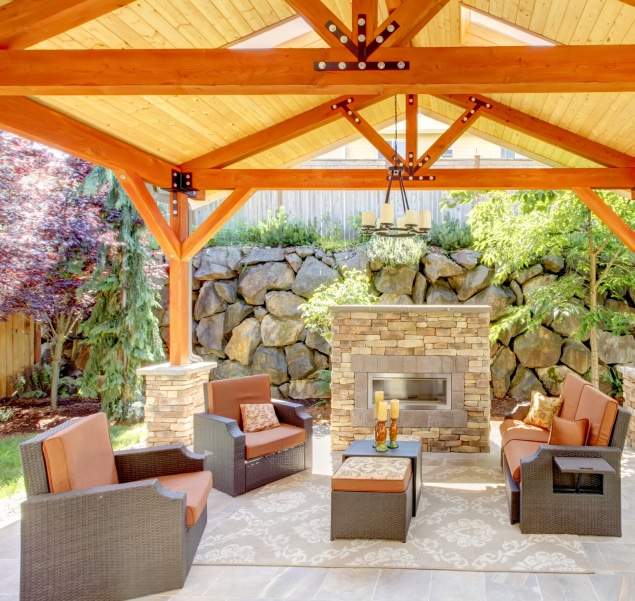
A custom patio can turn part of your yard into space for eating outside, hosting friends, play and relaxing in the shade at the end of the day. In the New Orleans area, getting those benefits depends on planning for local conditions, including heat, heavy rain and mosquitoes. This guide covers what a patio adds to daily life and what to settle before you build.

If you are weighing budget first, our guide to custom patio costs in New Orleans explains the main pricing factors, and our post on patio upgrades and resale value covers the market side. This article sticks to how a patio fits the way you live.
A patio gives you a firm, level surface right next to the house. When properly designed and drained, a patio can give chairs, tables, grills and planters a more stable surface than wet or muddy grass after a rain shower. A custom patio is planned around your yard, your doors and your routines, so its size and shape fit how you actually spend time outside.
Common ways homeowners use that space:
Materials shape both the look and the upkeep. TurnKey Patio offers custom patios in pavers, brick, flagstone and concrete, and our patio paving page shows more surface choices. Ask to see samples in person, and look at them in sunlight before deciding.

A patio gives guests a defined place to sit, eat and talk without crowding the house. Good entertaining spaces come from planning traffic flow: leave room to walk between the door, the table and the grill, and keep cooking areas away from where people sit.
A few upgrades make evenings easier:
Heat decides how often a patio gets used, so plan shade from the start. Ready.gov’s extreme heat guidance tells people who are outside to find shade, and the National Weather Service advises rescheduling strenuous activities until the coolest time of the day. A patio with built-in shade is easier to enjoy on summer afternoons and evenings.
Shade options to consider:
Surfaces matter too. Ready.gov notes that asphalt and dark pavement can be very hot to a pet’s feet, and the U.S. EPA describes cool pavements as paving materials that reflect more solar energy, enhance water evaporation or have been otherwise modified to stay cooler than conventional pavements. Ask your installer how the surface you like will feel in direct afternoon sun.
A patio can change how water drains across your yard, so its design should account for where rainfall will flow or soak in. Before you sign, ask how the patio will slope away from the house, where the water will run and whether any low spots in the yard will get worse. Downspouts that empty onto or next to the patio may need to be redirected.
The EPA notes that permeable pavements can allow stormwater to soak into the pavement and soil, reducing runoff. Whether a permeable surface suits your yard depends on the soil, the drainage and how the patio will be used, so raise it early in the design.
Standing water around a patio invites mosquitoes. The New Orleans Mosquito, Termite and Rodent Control Board says that in peak season mosquitoes can develop from egg to adult in as little as five days, and that even small amounts of water are enough for certain species. Build prevention into the design and your weekly routine:
If bugs would keep you indoors anyway, a screen room is another option. Our post on why New Orleans homeowners are installing screen rooms walks through that choice.
Because a custom patio is planned for your property, a few early decisions pay off later:
Approval requirements depend on your address and on what you build. The City of New Orleans describes an accessory structure permit for certain improvements on the same piece of land as a main structure that are intended for secondary use, and it lists gazebos and picnic pavilions among its examples. The City notes that, depending on the specifics of a project, review may also include or require approvals from other entities such as the Historic District Landmarks Commission (HDLC) or the Vieux Carré Commission (VCC), so check whether your property is in a historic district or the French Quarter.
Ask the City which permits apply to your patio and to any cover, pergola or gazebo that goes with it. Outside Orleans Parish, check with your parish or city permit office. If you have a homeowners association, get its approval in writing, and confirm in your contract who will pull any required permits.
TurnKey Patio designs and builds custom patios, along with patio covers, pergolas and gazebos and pavilions, for homeowners in New Orleans and our surrounding service areas. We benefit if you hire us, and the planning questions above are worth working through with any contractor. To talk through ideas for your yard, call (504) 285-2824, Monday through Friday from 8:00 AM to 3:00 PM, or request a free estimate.
A custom patio adds a firm, level outdoor surface sized and shaped for how you use your yard, whether that is dining, entertaining, relaxing or play. Because the layout is planned around your house, you can build in shade, drainage and room for later additions such as a cover or outdoor kitchen.
Plan shade from the start with a patio cover, pergola, trees or large umbrellas. Ready.gov advises people who are outside in extreme heat to find shade, and the National Weather Service suggests rescheduling strenuous activity until the coolest time of the day. Ask how your chosen surface feels in direct afternoon sun.
Remove standing water. The New Orleans Mosquito, Termite and Rodent Control Board says mosquitoes can develop from egg to adult in as little as five days in peak season. It recommends tipping out containers, replacing bird bath water at least once a week, cleaning gutters and keeping lawns and weeds trimmed. Grading the patio so rain does not puddle helps too.
It depends on the project and your address. The City of New Orleans lists gazebos and picnic pavilions among its examples of accessory structures covered by its accessory structure permit, and depending on the project, review may involve HDLC or Vieux Carré Commission approvals for properties in a historic district or the French Quarter. Ask the City which permits apply to your plan. Outside Orleans Parish, check with your parish or city permit office.
Resale impact varies by home, neighborhood and project, so treat any value estimate with care. We cover that question in a separate post on patio upgrades and resale value. This guide focuses on how a patio improves the everyday use of your home.

 Turnkey Patio