Residential License # 890459
Commercial License # 3667
Claim Your FREE Estimates Today!
Talk to an Expert
Residential License # 890459
Commercial License # 3667
Talk to an Expert

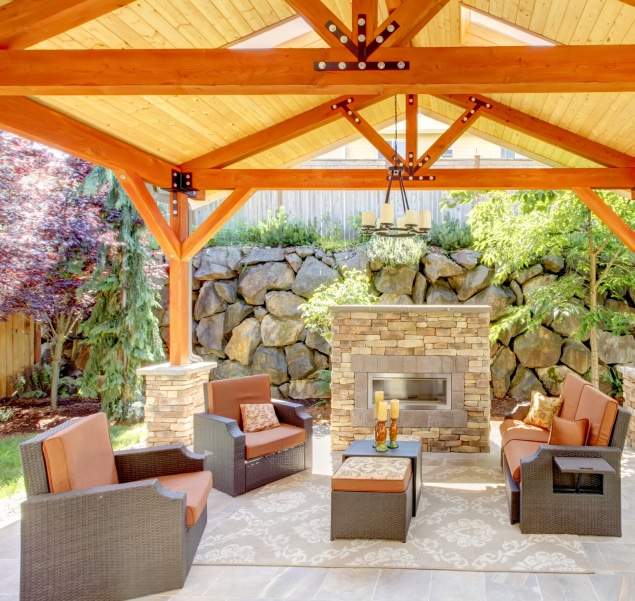
A patio in the New Orleans area gets used when it is comfortable: shaded from strong sun, cooled by moving air on still, humid days, protected from mosquitoes and lit well enough for evenings. This guide covers the comfort and style choices that make an outdoor space pleasant to use, from shade and fans to screening, lighting, furniture and plants. If you are still working out the size and shape of the space, our patio layout guide covers that planning step first.

Without shade, a patio may be less comfortable to use on a summer afternoon. Start by noting where the sun hits during the hours you are most likely to be outside, then choose the kind of shade that fits:
Hard surfaces matter too. The U.S. Environmental Protection Agency’s page on cool pavements describes a pilot study in Arizona that found conventional paving materials such as asphalt can reach surface temperatures up to 152 degrees Fahrenheit at midday, while cool pavements stayed 10 to 16 degrees cooler. The EPA describes cool pavements as materials that reflect more solar energy, enhance water evaporation or otherwise stay cooler than conventional pavement. Shading hard surfaces near your seating, or choosing lighter materials, is worth discussing with your designer.
For more airflow on still, humid days, consider a ceiling fan over the main seating or dining area.
Choose the right fan rating for the location. Hunter Fan Company explains that damp-rated fans are made for covered outdoor spaces where they stay protected from direct rain, while wet-rated fans can handle direct rain and moisture. Hunter notes that a fan near the edge of a covered patio might still get wet during a windy storm, and that a wet-rated model is the better choice if wind-driven rain could reach it.
Fans also help with mosquitoes. The City of New Orleans Mosquito, Termite and Rodent Control Board suggests sitting in the air stream of a fan outdoors when possible, because several mosquito species are weak fliers and a constant stream of air deters them.
Mosquitoes can decide whether a patio gets used, so plan for them from the start. The Mosquito, Termite and Rodent Control Board’s tips for homes translate directly into design choices:
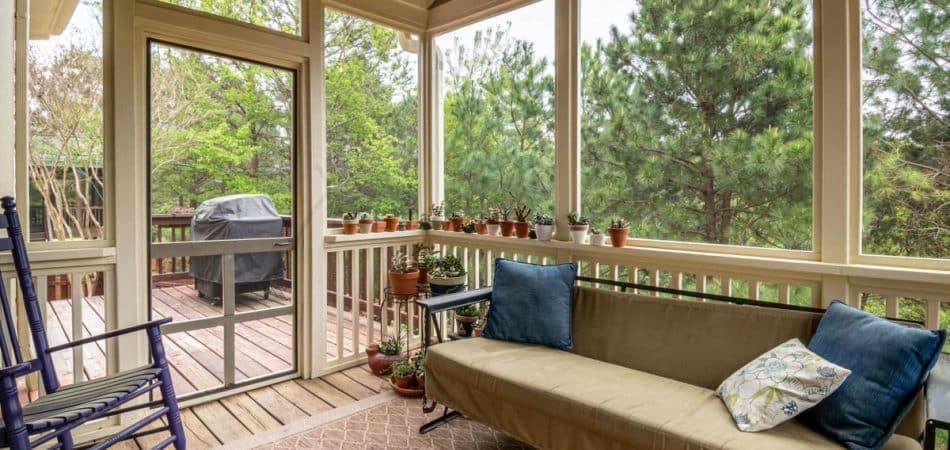
If you want to use the patio in the evening anyway, screening is one option for reducing insect exposure. A well-maintained screenroom can help reduce the number of insects entering the space while keeping an outdoor feel, and our post on why New Orleans homeowners are installing screenrooms explains the appeal. The board also notes that even small holes in screens let mosquitoes in, so repair tears promptly. For personal protection, it recommends repellents with EPA-registered active ingredients such as DEET, picaridin, IR3535 or oil of lemon eucalyptus, used according to the label.

Lighting makes a patio usable after sunset and sets the mood. Layer it the way you would indoors:
Use fixtures, bulbs and cords labeled for outdoor use, and match wet or damp ratings to how exposed each spot is. Dimmers let the same space work for a family dinner and a quiet evening.
Cushions and rugs on a patio may be exposed to humidity and sudden showers, so consider outdoor-rated fabrics that dry quickly, cushions with removable covers you can wash, and furniture you can wipe down. Our outdoor fabric choices and outdoor patio furniture pages cover options. Follow each manufacturer’s care instructions, since materials vary.
Storage is part of the design. Ready.gov advises bringing in outside furniture before a hurricane, so plan a place to put cushions, rugs and lightweight pieces quickly. A storage bench or a nearby shed makes that job easier.
Plants soften hard edges, add privacy and make a patio feel like part of the garden. The LSU AgCenter’s Louisiana Super Plants program highlights plants that have gone through several years of university evaluations and perform well in Louisiana landscapes, and each year AgCenter horticulturists name new selections. That list is a practical place to start when choosing plants for beds and containers near your patio.
Keep the mosquito advice in mind as you plant. The Mosquito Control Board notes that certain species lay eggs in natural containers such as tree holes and bromeliads, so place water-holding plants away from seating or check them regularly.
Once shade, air, screening and lighting are in place, finish each area for how you use it:
TurnKey Patio designs and installs custom patios, screenrooms, shade structures and lighting for homeowners in New Orleans and our surrounding service areas. We benefit if you hire us, and the ideas above are useful no matter who builds your patio. To talk through your space, call (504) 285-2824, Monday through Friday from 8:00 AM to 3:00 PM, or request a free estimate.
Start with shade from a cover, pergola, canopy or blinds, then add a ceiling fan rated for the location. Shading or lightening nearby hard surfaces can help too; the EPA describes an Arizona pilot study that found conventional paving materials such as asphalt can reach surface temperatures up to 152 degrees Fahrenheit at midday, while cool pavements stayed 10 to 16 degrees cooler.
The New Orleans Mosquito, Termite and Rodent Control Board recommends eliminating standing water in containers and flowerpots, refreshing bird bath water weekly, cleaning gutters, keeping landscaping trimmed and keeping screens in good repair. It also suggests sitting in the air stream of a fan outdoors and using repellents with EPA-registered active ingredients according to the label.
It depends on how you use the space. If you want to sit outside in the evening, a well-maintained screenroom can help reduce mosquito entry, and the city’s Mosquito Control Board notes its primary disease-vector species are most active from dusk to dawn. If you mainly use the patio in the daytime, shade and fans may be enough.
The LSU AgCenter’s Louisiana Super Plants program is a good starting point. It highlights plants that have gone through several years of university evaluations and perform well in Louisiana landscapes. Near seating, keep an eye on plants like bromeliads that hold water, since the Mosquito Control Board notes some mosquito species lay eggs in them.
Ready.gov advises bringing in outside furniture before a hurricane. We suggest planning storage as part of your patio design, such as a storage bench or nearby shed, so cushions, rugs, umbrellas and lightweight pieces can be put away quickly.
 Turnkey Patio