Residential License # 890459
Commercial License # 3667
Claim Your FREE Estimates Today!
Talk to an Expert
Residential License # 890459
Commercial License # 3667
Talk to an Expert

To prepare your roof for hurricane season in New Orleans, start with a professional inspection at least four to six weeks before June 1, address any damaged shingles, flashing, or sealant issues, and ensure your roofing system meets Louisiana’s wind-resistance standards. Taking these steps now can mean the difference between minor repairs and a catastrophic failure when Gulf storms make landfall.
Living in New Orleans means living with hurricane season. From June 1 through November 30, homeowners across Southeast Louisiana face the annual reality of tropical storms, high winds, and driving rain. Your roof is your home’s first line of defense, and preparing it properly is not just smart planning, it is essential protection for your family and your investment. At Turnkey Patio, we help New Orleans homeowners get their roofs storm-ready every year, and we want to share what we have learned so you can feel confident heading into the season.
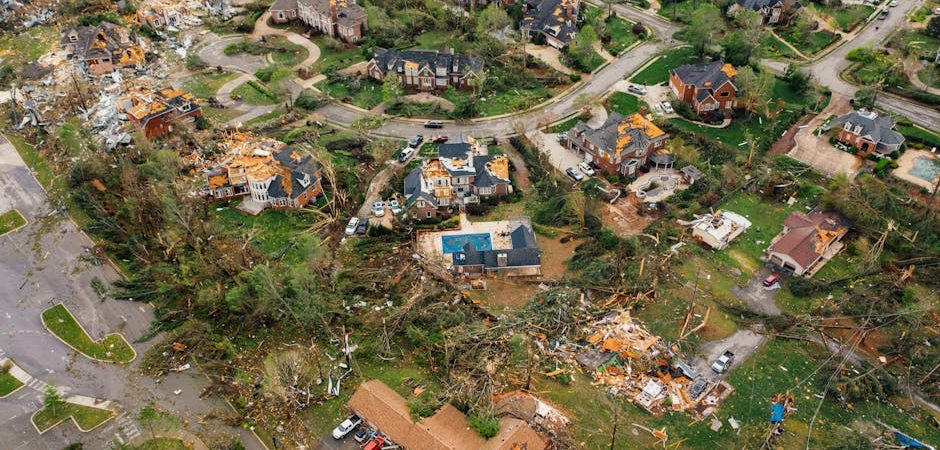
New Orleans sits in one of the most hurricane-vulnerable corridors in the United States. The city’s proximity to the warm waters of the Gulf of Mexico means storms can intensify quickly and arrive with little lead time. Combine that with our subtropical humidity, frequent afternoon thunderstorms, and the occasional hailstorm, and your roof endures more year-round stress than roofs in most other parts of the country.
That constant exposure to moisture, UV radiation, and temperature swings weakens roofing materials over time. Shingles become brittle, flashing loosens, and sealant cracks. These small vulnerabilities become major problems when a Category 1 or stronger hurricane pushes sustained winds of 74 mph or more across your roofline. One loose shingle can lead to a peeled-back section, water intrusion, and thousands of dollars in interior damage.
The single most important step you can take is scheduling a professional roof inspection well before hurricane season begins. Ideally, book your inspection in April or early May so there is plenty of time to address any issues that come up. A trained inspector will evaluate your shingles, underlayment, flashing, gutters, soffit, fascia, and ventilation system for signs of wear, damage, or improper installation.
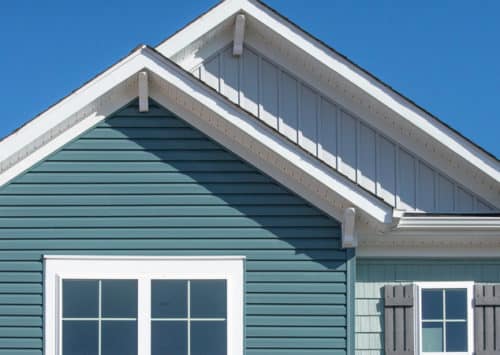
During a pre-hurricane inspection, your roofing professional will check for cracked, curled, or missing shingles. They will examine the flashing around chimneys, vents, and skylights for gaps or corrosion. Gutter systems get evaluated for proper attachment and drainage. The inspector will also look at your roof deck from inside the attic, checking for water stains, daylight penetration, and adequate ventilation. Each of these details matters when a storm arrives.
If your inspection reveals problems, do not wait. Roof repairs completed before hurricane season cost a fraction of emergency repairs after a storm. Contractors are more available, materials are in stock, and you can make thoughtful decisions rather than rushed ones. Common pre-season repairs include replacing damaged shingles, resealing flashing, reinforcing ridge caps, and securing loose gutters.
For roofs that are nearing the end of their lifespan, typically 15 to 25 years depending on the material, it may be worth considering a full roof replacement before the season starts. A new roof installed to current Louisiana building codes will perform far better in a storm than an aging system held together with patches. If you are also thinking about protecting your outdoor living areas, our guide on how to make a pergola more weather resistant covers similar preparation principles for your backyard structures.
One of the most valuable upgrades a New Orleans homeowner can make is building or retrofitting to FORTIFIED standards. Developed by the Insurance Institute for Business and Home Safety (IBHS), the FORTIFIED program provides specific construction guidelines that dramatically improve a roof’s ability to withstand high winds and wind-driven rain. Louisiana is one of the leading states in FORTIFIED adoption, and many insurers offer premium discounts of 15 to 50 percent for homes that earn FORTIFIED designation.
A FORTIFIED roof includes sealed roof deck construction, where the plywood or OSB decking is fully taped or sealed to prevent water intrusion even if shingles are torn away. It also requires enhanced nailing patterns for shingles, corrosion-resistant drip edge metal on all roof edges, and properly sealed penetrations. These upgrades add modest cost to a new roof but provide significant protection. If you are already investing in a roof replacement, upgrading to FORTIFIED standards is one of the smartest decisions you can make for your New Orleans home.
Beyond the professional inspection, there are several steps you can take on your own to prepare your roof for storm season.
Clogged gutters cause water to back up under your roof edge, which accelerates rot and can lead to leaks during heavy rainfall. Clean all gutters and downspouts thoroughly. Make sure downspouts direct water at least three feet away from your foundation. Check that gutter brackets are firmly attached, because high winds can rip loose gutters right off the fascia board.
Large branches that overhang your roof are one of the biggest threats during a hurricane. Even a moderate tropical storm can snap limbs and send them crashing onto your shingles. Trim back any branches within six feet of your roofline. In New Orleans, live oaks and crepe myrtles are beautiful but can cause serious damage if not properly maintained before storm season.
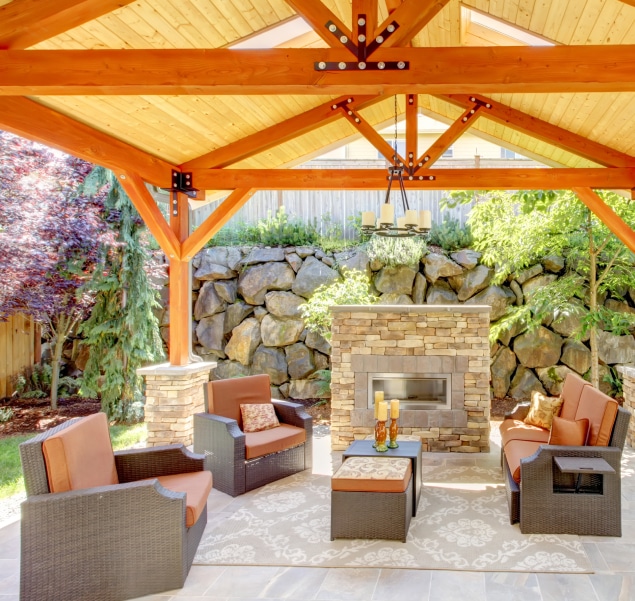
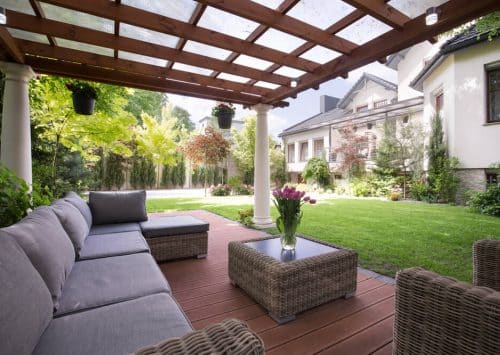
Patio furniture, planters, and outdoor decor become dangerous projectiles in high winds. Bring loose items inside or secure them well before a storm approaches. If you have a patio cover or carport, make sure it is properly anchored. Our comparison of carport vs. patio cover options discusses structural considerations that apply during storm preparation as well.
From inside your attic, look for any signs of existing leaks, including water stains on rafters or insulation, musty odors, or visible daylight through the roof deck. Ensure your attic ventilation is working properly, as trapped moisture combined with summer heat accelerates deterioration of your roofing materials. Proper ventilation also helps regulate temperature and can extend the life of your shingles. For more on protecting your roof long-term, read our post on how roof coatings can extend the life of your roof.
Do not wait until a storm is in the Gulf to review your homeowner’s insurance policy. Confirm your coverage limits, understand your wind and flood deductibles (they are often separate in Louisiana), and document the current condition of your roof with photos. Many insurers impose binding restrictions once a named storm enters the Gulf, so updating your policy in April or May gives you the most flexibility.
Take clear photos of your roof from multiple angles, including close-ups of any recent repairs or new installations. Save receipts from all roofing work you have completed. This documentation can significantly speed up the claims process if you do sustain storm damage. It also demonstrates that you have maintained your roof responsibly, which insurers appreciate.
If your roof is older than 10 years and has not been inspected recently, or if you noticed any damage after last year’s storms, now is the time to act. Waiting until a hurricane watch is issued means competing with every other homeowner in the region for limited contractor availability. Getting ahead of the rush ensures you receive thorough attention and quality workmanship.
Investing in your roof today also adds value to your home overall. Just as patio upgrades can increase your home’s resale value, a well-maintained and storm-ready roof is a strong selling point for buyers in the New Orleans market, where hurricane preparedness is always top of mind.
At Turnkey Patio, we are proud to serve homeowners across the Greater New Orleans area with honest, reliable roofing services. Whether you need a quick inspection, targeted repairs, or a complete roof replacement built to FORTIFIED standards, we are here to help you feel prepared and protected. Contact us today or call (504) 285-2824 to schedule your pre-hurricane roof evaluation. We are available Monday through Friday, 8 AM to 3 PM, and we would love to help you get ready for the season ahead.
You should begin roof preparation in April or early May, at least four to six weeks before the official start of hurricane season on June 1. This gives you enough time to schedule an inspection, order materials, and complete any necessary repairs without rushing.
A professional roof inspection in the New Orleans area typically ranges from $150 to $400, depending on the size and complexity of your roof. This is a small investment compared to the cost of undetected damage during a hurricane, which can easily reach tens of thousands of dollars.
FORTIFIED is a voluntary construction standard developed by the Insurance Institute for Business and Home Safety (IBHS) that strengthens your roof against high winds and rain. In Louisiana, homes with FORTIFIED designation often qualify for insurance premium discounts of 15 to 50 percent, making the modest additional cost well worth the investment.
You can perform a basic visual check from the ground and inside your attic, looking for missing shingles, clogged gutters, or water stains. However, a professional inspection is strongly recommended because trained inspectors can identify hidden issues like compromised flashing, weakened decking, and improper ventilation that are not visible to an untrained eye.
If your roof sustains storm damage, document the damage with photos and video before making any temporary repairs. Contact your insurance company promptly and then call a licensed roofing contractor for a professional assessment. Avoid climbing onto a damaged roof yourself, as structural integrity may be compromised.
Yes, a new roof is one of the highest-return home improvements you can make, particularly in hurricane-prone markets like New Orleans. Buyers are willing to pay more for homes with newer, code-compliant roofs because it means lower insurance costs and greater peace of mind during storm season.
 Turnkey Patio