Residential License # 890459
Commercial License # 3667
Claim Your FREE Estimates Today!
Talk to an Expert
Residential License # 890459
Commercial License # 3667
Talk to an Expert

After a storm hits Louisiana, your roof may have hidden damage that worsens over time if left unchecked. Scheduling a roof inspection after a storm in Louisiana helps you catch wind uplift, missing shingles, hail dents, and water intrusion before small problems turn into costly repairs. Here are the warning signs every Louisiana homeowner should watch for and the steps you can take to protect your home.
Living in Louisiana means living with weather that can shift from sunshine to severe storms in a matter of hours. Hurricane season officially runs from June 1 through November 30, but strong thunderstorms and hail events can occur year-round in the Gulf South. Louisiana homeowners face an average of four to six significant storm events per year, and each one can leave behind damage that is not always visible from the ground. Even a moderate storm with sustained winds of 50 to 60 mph can loosen flashing, lift shingle edges, and create entry points for water.
At Turnkey Patio, we work with homeowners across New Orleans and the surrounding parishes who are often surprised by the extent of storm damage discovered during a professional inspection. Understanding the signs that point to roof trouble can save you thousands of dollars and help you file an insurance claim before deadlines expire.
High winds during hurricanes, tropical storms, and even strong afternoon thunderstorms can tear shingles away or crack them along stress lines. Walk around your property after a storm clears and look for shingle granules in your gutters or scattered on the ground. Curling or buckling shingles are another telltale indicator that wind uplift has compromised your roof’s protective layer. If you spot any of these issues, it is a good time to schedule a professional roof inspection to assess the full scope of damage.
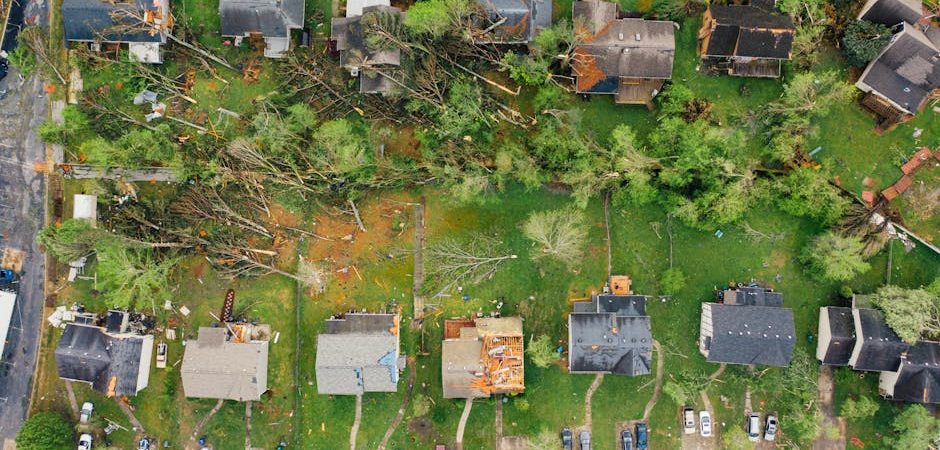
Louisiana’s mature live oaks and pine trees add beauty to our neighborhoods, but during a storm they become a serious hazard. Fallen limbs and airborne debris can puncture roofing materials, dislodge ridge caps, and damage soffit and fascia. Even if a branch appears to have bounced off without causing harm, the impact may have cracked underlayment or shifted tiles beneath the surface. Document any debris you find on or near your roof with photos, as this evidence can be important for insurance purposes.
Hail is more common in Louisiana than many homeowners realize, particularly during spring and early summer. Look for dents or dings on your gutters, metal flashing, roof vents, and HVAC units. These marks signal that your shingles likely absorbed similar impacts. Hail damage can compromise the granule coating on asphalt shingles, reducing their ability to shed water and resist UV damage. Our team handles hail damage roof repair regularly and can identify damage patterns that untrained eyes often miss.
Some of the most serious storm damage is invisible without a proper inspection. Wind-driven rain can force water beneath shingles and into your decking, leading to moisture buildup in your attic. Over time, this moisture promotes mold growth, weakens structural components, and stains your ceilings. If you notice water spots on interior walls or ceilings, a musty smell in your attic, or peeling paint near the roofline, you may be dealing with an active leak. Our roof leak detection services use proven methods to trace leaks back to their source so repairs target the actual problem.
Another hidden concern is compromised flashing around chimneys, skylights, and vent pipes. Storm winds can bend or lift flashing, breaking the watertight seal that protects these vulnerable junctions. This type of damage often does not show symptoms until the next heavy rain, by which point water has already entered your home’s structure.
If your roof appears to sag in any area or feels spongy when walked on, moisture has likely been sitting beneath the surface long enough to weaken the decking. This is a sign of compounding damage, often the result of a previous storm that went uninspected. Addressing soft spots early with targeted roof repairs can prevent a partial roof failure during the next storm event.
Timing matters. After any named storm, tropical system, or severe weather event that produces winds above 50 mph or hail larger than a quarter inch, schedule an inspection within one to two weeks. Louisiana insurance policies typically require that storm damage claims be filed within a specific window, often one year from the date of the event, though some policies have shorter deadlines. Waiting too long can mean losing your right to file a claim entirely.
Even if a storm seemed minor, it is wise to have your roof checked at least once a year and after any event that produces noticeable wind or hail. Hidden damage from moderate storms can compound over time, turning a minor issue into a major expense. You can learn more about protecting your roofing investment in our guide on how roof coatings can extend the life of your roof.
A thorough post-storm inspection includes examining shingles, flashing, ridge caps, valleys, gutters, soffit, fascia, and attic spaces. The inspector looks for wind uplift patterns, impact marks, water intrusion, and structural concerns. A detailed report with photos is typically provided, which serves as documentation for your insurance company. Our roofing team walks you through every finding so you understand exactly what needs attention and what can wait.
Louisiana homeowners have access to the FORTIFIED roof program, developed by the Insurance Institute for Business and Home Safety (IBHS). A FORTIFIED roof meets enhanced building standards designed to resist hurricane-force winds, heavy rain, and hail. Some Louisiana insurers offer premium discounts for homes with FORTIFIED designations, making it a worthwhile investment in both safety and savings.
Beyond roofing, protecting your home’s exterior means keeping every component in good shape. Storm winds can damage more than your roof, so consider whether your siding is holding up as well. Our article on common signs it is time to replace your home’s siding can help you assess that part of your exterior. If you have outdoor structures like pergolas or carports, you may also find value in reading about how to make a pergola more weather resistant and the differences between a carport and a patio cover.
If a recent storm has passed through your area, or if it has been more than a year since your last roof inspection, do not wait for a leak to tell you something is wrong. The sooner you identify damage, the easier and less expensive it is to repair. Reach out to our team through our contact page or give us a call at (504) 285-2824. We are available Monday through Friday, 8 AM to 3 PM, and we are happy to answer your questions and get your inspection scheduled.
You should schedule an inspection within one to two weeks of any significant storm event. Prompt action helps ensure that damage is documented while conditions are fresh, and it keeps you within the timeline required by most Louisiana insurance policies for filing claims.
While you can look for obvious signs like missing shingles or debris from the ground, a professional inspection is strongly recommended. Trained inspectors can safely access your roof and attic to identify hidden damage, such as compromised underlayment, lifted flashing, and moisture intrusion, that is not visible from ground level.
Most standard homeowner’s insurance policies in Louisiana cover wind and hail damage to your roof. However, policies vary in their deductibles, coverage limits, and filing deadlines. It is important to review your policy and file your claim promptly, as waiting too long can result in a denied claim.
The FORTIFIED roof program, developed by the Insurance Institute for Business and Home Safety, sets enhanced construction standards to help roofs withstand hurricanes, high winds, and hail. Many Louisiana insurers offer premium discounts for FORTIFIED-designated homes, making the upfront investment pay off over time through reduced insurance costs and better storm resilience.
Hurricanes and tropical storms are the most well-known threats, but severe thunderstorms with strong straight-line winds and hail cause significant damage as well. Even moderate storms with gusts of 50 to 60 mph can loosen roofing components, and repeated exposure to these events compounds wear on your roof over its lifetime.
 Turnkey Patio