Residential License # 890459
Commercial License # 3667
Claim Your FREE Estimates Today!
Talk to an Expert
Residential License # 890459
Commercial License # 3667
Talk to an Expert

Filing a hail damage roof repair claim in Louisiana requires prompt documentation, a contractor’s damage report, and an understanding of the state’s filing deadlines. Knowing the correct steps before you contact your insurer can mean the difference between a fully covered repair and a denied claim.
Hail storms in the New Orleans metro area may not make national headlines the way they do in Texas or Oklahoma, but southern Louisiana does experience damaging hail events, particularly during the spring severe weather season from March through May. When hail strikes your roof, the damage is often difficult to see from the ground, yet it can compromise your shingles, flashing, and gutters in ways that lead to leaks and accelerated deterioration over the following months. Knowing how to properly document that damage and navigate the insurance claim process is essential for Louisiana homeowners who want their repairs covered. At TurnKey Patio, we work with homeowners throughout the greater New Orleans area on hail damage claims, and we have seen how the right approach at the beginning of the process makes everything that follows significantly smoother.
The single most important thing you can do after a hail event is document the damage before any further weather changes the evidence. Walk around the exterior of your home and photograph everything you can see: dented gutters, cracked or bruised shingles, damaged siding, broken skylights, and dents on outdoor HVAC units or patio furniture. Take wide-angle photos that show the overall roof area and close-up shots that capture individual damage points. Use your phone’s timestamp feature so every image is dated. If you can safely access the attic, photograph any signs of water intrusion such as stains on decking or damp insulation.
Do not attempt to climb onto the roof yourself. Ground-level and attic evidence is sufficient for initial documentation. The detailed roof surface inspection should be left to a licensed contractor.
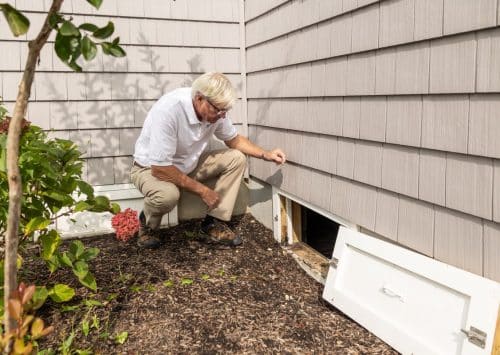
Before calling your insurance company, schedule an inspection with a licensed roofing contractor who has experience with insurance claims. A qualified contractor will climb the roof, identify all hail damage, and produce a written report with photographs that supports your claim. This report is your strongest piece of evidence. Insurance adjusters rely heavily on contractor documentation to determine coverage, and a thorough, well-organized report signals that the claim is legitimate and properly scoped.

TurnKey Patio provides hail damage roof repair services and works directly with homeowners to document damage in the format insurance companies expect. Having a contractor’s report in hand before you file your claim puts you in a much stronger position than filing first and scrambling for documentation later.
Louisiana law requires property damage claims to be filed within one year of the date the damage occurred. However, waiting anywhere close to that deadline is a mistake. Insurance companies are far more receptive to claims filed within days or weeks of the event, not months later. A late filing raises questions about whether the damage actually resulted from the claimed event or from normal wear and aging.
When you contact your insurer, have the following information ready: the date of the hail event, your documentation photos, your contractor’s inspection report, and your policy number. Be specific about what was damaged and avoid speculating about repair costs. Let the contractor’s report speak for the scope of the damage.
After you file, the insurance company will send an adjuster to inspect the property. This is a critical step, and how you handle it affects your outcome. Request that your roofing contractor be present during the adjuster’s inspection. A contractor who knows what to look for can point out damage that an adjuster might overlook, especially subtle hail impacts on shingles that are not immediately obvious. The contractor can also answer technical questions about repair methods and materials, which helps the adjuster write an accurate scope of loss.
During the adjuster’s visit, do not sign any documents that waive your rights to further claims or limit the scope of the repair. Review everything carefully. If the adjuster’s estimate seems low, you have the right to request a re-inspection or to file a supplement with additional documentation.
Once the adjuster completes their evaluation, the insurance company will issue a settlement offer. Compare this offer carefully against your contractor’s estimate. Louisiana is a “replacement cost value” state for most homeowner policies, meaning the insurer should cover the cost of restoring the roof to its pre-damage condition using materials of similar kind and quality. If the settlement offer falls short, your contractor can prepare a detailed supplement explaining why additional funds are needed, supported by material specifications and labor estimates.

Understanding why claims get denied helps you avoid those pitfalls. The most frequent mistakes Louisiana homeowners make include the following.
Filing too late is the most common error. Even though Louisiana allows up to one year, claims filed months after the event face increased scrutiny and higher denial rates. Failing to document damage before making temporary repairs is another frequent problem. If you patch a leak or tarp the roof without photographing the original damage, the insurer has less evidence to work with. Mixing storm damage with pre-existing wear and tear is also problematic. Your claim should focus strictly on the hail event, not on maintenance issues that existed before the storm. Finally, not having a contractor present during the adjuster’s visit leaves you without an advocate who can ensure all damage is identified and properly scoped.
A roofing contractor’s role in the claims process goes beyond just performing the repair. An experienced contractor provides the initial damage assessment and photographic documentation, a detailed written estimate that matches the format insurance companies use (Xactimate is the industry standard), on-site presence during the adjuster’s inspection to identify damage the adjuster might miss, supplemental documentation if the initial settlement is insufficient, and coordination of the repair timeline once the claim is approved.
This level of involvement is not something every contractor offers. When choosing a contractor for a hail damage claim, ask specifically about their experience working with Louisiana insurance companies and whether they handle the documentation and supplement process. To schedule an inspection with our team after a hail event, reach out as soon as possible while the evidence is fresh.
The cost of hail damage roof repair varies widely based on the extent of the damage, the roofing material, and the roof’s size and pitch. Minor repairs addressing isolated damaged areas typically range from $500 to $2,500. More extensive damage affecting large sections of the roof can run $5,000 to $12,000. When hail damage is severe enough that repair is no longer practical, a full roof replacement may be necessary, with costs for an average New Orleans home ranging from $8,000 to $20,000 or more depending on material selection.
If your claim is approved, your out-of-pocket cost should be limited to your deductible. Louisiana homeowner policy deductibles typically range from $1,000 to $2,500 for non-hurricane events. Be aware that some policies have separate, higher deductibles for named storm events, which may apply if the hail occurred during a tropical system.
Hail damage does not improve with time. Cracked shingles that are left unaddressed will leak during the next heavy rain. Bruised shingles with compromised granule protection will deteriorate faster under Louisiana’s intense UV exposure. And damaged areas become harder to attribute to a specific storm event the longer you wait to file. If you suspect your roof sustained hail damage, the time to act is now. Call TurnKey Patio at (504) 285-2824 or contact TurnKey Patio to schedule a damage assessment. We will inspect your roof, document the findings, and help you navigate the claims process from start to finish.
Look for dented gutters, cracked or bruised shingles with dark spots, and damaged metal flashing or vents. From the ground, you may notice granule accumulation in gutters or downspout splash areas. A professional inspection is the only reliable way to assess the full extent of roof hail damage.
Louisiana law gives homeowners one year from the date of the damage to file a property insurance claim. However, filing within the first few weeks produces significantly better outcomes, as evidence is fresher and documentation is easier to compile.
Louisiana law prohibits insurers from raising your rates solely because you filed a weather-related claim. However, multiple claims within a short period may affect your insurability or premiums at renewal. Filing legitimate claims for verified storm damage is your right as a policyholder.
Yes. Hail damage to roofing is often invisible from ground level. Bruised shingles, cracked underlayment, and compromised flashing seals require a close-up inspection to detect. If your area experienced a hail event, a professional inspection is always recommended.
 Turnkey Patio