Residential License # 890459
Commercial License # 3667
Claim Your FREE Estimates Today!
Talk to an Expert
Residential License # 890459
Commercial License # 3667
Talk to an Expert

A professional roof inspection in Louisiana covers far more than a quick visual check. Inspectors evaluate hurricane readiness, moisture infiltration, termite damage in wood framing, and the overall structural condition of your roofing system. Scheduling regular inspections is one of the most cost-effective ways to protect your home in the Gulf Coast climate.
Louisiana homeowners face roofing challenges that most of the country never has to consider. Between hurricane-force winds, relentless humidity, heavy seasonal rainfall, and Formosan termite pressure, a roof in New Orleans takes more punishment in five years than many roofs elsewhere take in fifteen. That reality makes routine roof inspections not just a good idea but a genuine financial safeguard. Catching a small problem before it becomes a structural failure can save thousands of dollars and months of disruption. At TurnKey Patio, we see the results of deferred maintenance every week, and the pattern is always the same: what started as a minor issue became a major expense because nobody looked until the ceiling was already stained.
If you have never had a professional roof inspection or if it has been more than a year since your last one, understanding what the process involves will help you know what to expect and why every step matters.
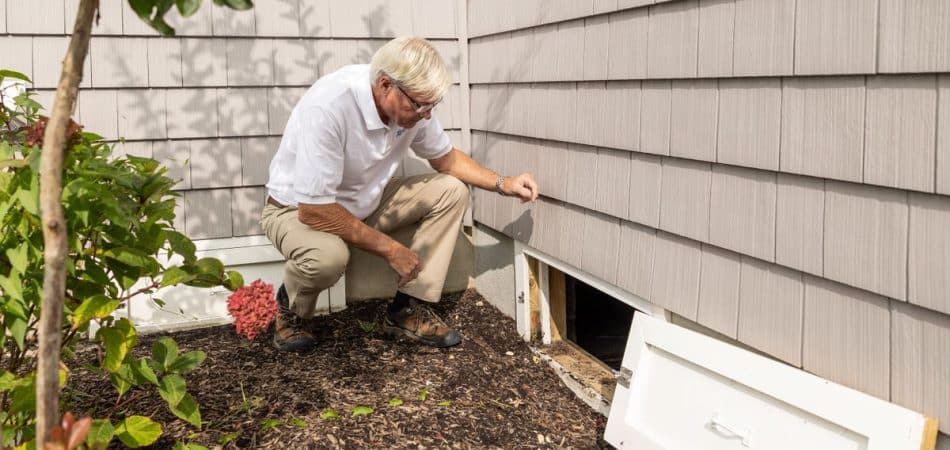
A thorough roof inspection is a systematic evaluation that covers every component of your roofing system, from the surface material down to the decking and into the attic space. Here is what a qualified inspector will examine when they arrive at your New Orleans area home.

The inspector starts on the roof itself, walking the surface to evaluate the condition of shingles, tiles, or flat roofing membrane. They are looking for cracked, curling, or missing shingles, blistering on flat roofs, granule loss on asphalt shingles, and any areas where the material has lifted or separated. In Louisiana, inspectors pay particular attention to the southern and western exposures, where UV degradation and thermal cycling are most severe.
Every pipe boot, vent stack, chimney, skylight, and wall-to-roof transition is a potential leak point. The inspector checks that flashing is properly sealed, that caulking has not dried and cracked, and that no gaps have opened around penetrations. New Orleans homes with multiple roof planes and dormers have more of these vulnerable junctions, which means more potential failure points to evaluate.
Water management is critical in a city that regularly receives over 60 inches of rainfall per year. The inspector examines gutter attachment, pitch, debris accumulation, and downspout routing. They check for standing water on flat sections of the roof, which indicates ponding that can accelerate membrane deterioration and eventually lead to leaks.
A comprehensive inspection does not stop at the roof surface. The inspector goes into the attic to look for signs of moisture intrusion: water stains on rafters or decking, daylight visible through the roof, damp or compressed insulation, and mold or mildew growth. In Louisiana’s humidity, even a small leak can produce visible mold within weeks, making the attic inspection one of the most revealing parts of the process.
Roofing in southern Louisiana comes with a set of concerns that are uncommon in other parts of the country. A qualified local inspector knows to look for these specific issues.
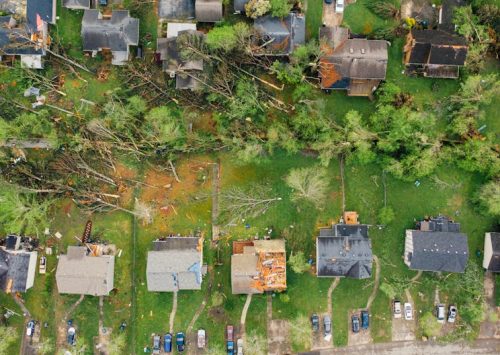
Even if your roof survived the last storm season without obvious problems, wind damage can be subtle. Shingles may have lost their seal without visibly lifting. Nail pops can occur when decking flexes under sustained wind pressure. Ridge caps are especially vulnerable to uplift, and damage there often goes unnoticed from the ground. An inspector will check fastener patterns, shingle adhesion, and whether the roof meets current Louisiana building code requirements for wind resistance, which were significantly strengthened after Hurricane Katrina in 2005.
The combination of frequent rain and sustained high humidity creates ideal conditions for moisture problems. An inspector uses moisture meters and, in some cases, infrared imaging to detect wet spots in decking and insulation that are not visible to the naked eye. In New Orleans, where relative humidity regularly exceeds 80 percent, even well-maintained roofs can develop condensation issues if ventilation is inadequate. If moisture damage is found, roof repair services should be scheduled promptly before mold spreads into the living space.

Louisiana ranks among the highest states in the nation for termite activity, and the Formosan subterranean termite is especially destructive. While termite inspections are typically a separate service, a roof inspector in this region will flag any visible termite damage to fascia boards, roof decking, or exposed rafters. Soft or hollow-sounding wood in the roof structure is a serious finding that requires immediate follow-up.
The dark streaking visible on many New Orleans roofs is caused by Gloeocapsa magma, a type of blue-green algae that thrives in humid, warm environments. While it is primarily a cosmetic issue, heavy growth can retain moisture against the shingle surface and accelerate deterioration. Moss, which is less common but does appear on north-facing slopes with tree canopy coverage, is more damaging because its root structures can lift shingle edges.
The standard recommendation for most of the country is a roof inspection every three to five years. That timeline does not apply in Louisiana. Given the severity of our weather, the National Roofing Contractors Association and most local contractors recommend annual inspections at minimum. The ideal schedule for a New Orleans home is twice per year: once in spring before hurricane season begins in June, and once in fall after the season ends in November. You should also schedule an inspection after any major storm event, regardless of whether you see obvious damage from the ground.
A professional inspection produces a detailed written report that documents the current condition of every inspected component. The report typically includes photographs of any damage or concern areas, measurements of remaining material life expectancy, identification of code compliance issues, and prioritized repair recommendations. For insurance purposes, this documentation is invaluable. Louisiana insurers increasingly require proof of roof condition for policy renewals, especially on homes older than fifteen years. A clean inspection report can prevent coverage issues, while a report identifying needed repairs gives you documentation to support an insurance claim if the damage resulted from a covered event.
Louisiana’s insurance landscape has shifted dramatically in recent years. Several carriers have exited the state market, and those remaining have tightened underwriting standards. Many insurers now require a roof inspection before issuing or renewing a homeowners policy. Some mandate that roofs older than a certain age, typically fifteen to twenty years, must pass inspection or be replaced before coverage continues. Having a current inspection report from a licensed contractor gives you leverage in these conversations. If your roof is aging but still in good condition, the report proves it. If repairs are needed, the report gives you a clear scope of work to address before renewal. When an inspection reveals that repair is no longer practical, it may be time to explore roof replacement options that meet current building code and insurance requirements.
A professional roof inspection in the New Orleans area typically costs between $150 and $400, depending on the size and complexity of the roof and whether advanced tools like thermal imaging are used. That is a modest investment when you consider what it prevents. A small leak left undetected for a single Louisiana rainy season can produce thousands of dollars in mold remediation, drywall replacement, insulation replacement, and structural repair. A section of damaged decking that goes unnoticed until the next hurricane can result in catastrophic failure during the storm. The inspection cost is not an expense. It is insurance against dramatically larger expenses down the road.
If it has been more than a year since your last inspection, or if you have never had one performed on your current home, do not wait for a leak to announce itself. Call TurnKey Patio at (504) 285-2824 or book your roof inspection today. A thorough evaluation now can save you significant time, money, and stress before the next storm season arrives.
Most residential roof inspections take between 45 minutes and two hours, depending on roof size, accessibility, and complexity. Homes with multiple roof planes, dormers, or flat sections require more time. The attic inspection portion adds roughly 15 to 30 minutes.
You can perform a basic visual check from the ground or a ladder, and you should after major storms. However, a homeowner inspection cannot replace a professional evaluation that includes walking the surface, checking flashing seals, using moisture meters, and inspecting the attic space for hidden damage.
Most Louisiana insurers require inspection reports from licensed roofing contractors or certified home inspectors. Reports from unlicensed individuals are typically not accepted. Always confirm your insurer’s specific requirements before scheduling the inspection.
The inspector provides a prioritized list of findings with recommended actions. Minor issues like resealing a pipe boot may cost under $200. More significant findings like damaged decking or widespread shingle failure will include repair estimates and urgency ratings so you can plan accordingly.
 Turnkey Patio