Residential License # 890459
Commercial License # 3667
Claim Your FREE Estimates Today!
Talk to an Expert
Residential License # 890459
Commercial License # 3667
Talk to an Expert

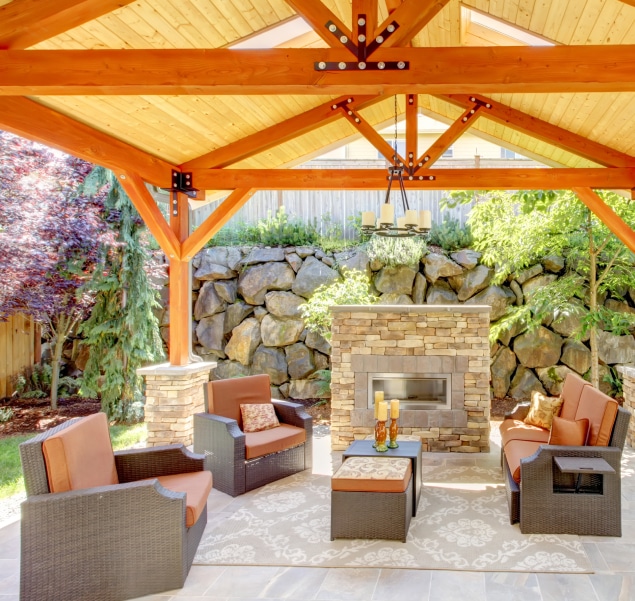
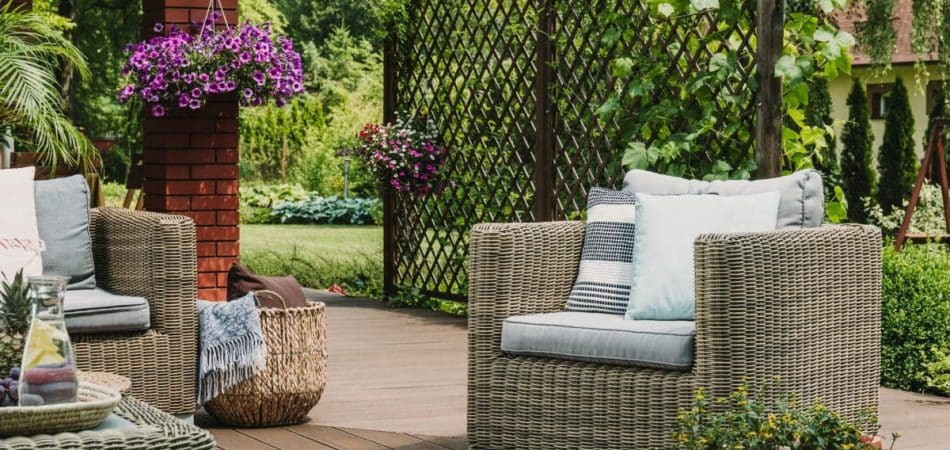
The blending of different materials by creating a singular patio design is all about bringing together texture, color, and finish to create a unity that is warm yet cohesive living space. Blending natural stone, concrete pavers, and wood is achievable and can be paired together in the effort to rough against refinement.
Picture a patio that speaks for itself. Get in touch with us at TurnKey Patio and discover how our expert blending of materials can transform your backyard into a one-of-a-kind oasis.
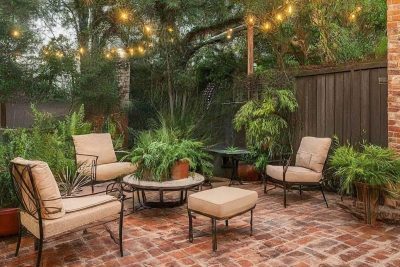
Your choice of materials is an extremely crucial aspect of creating a durable, functional, and beautiful patio. Your choices must be climate-sensitive, strong, gorgeous, and frugal.
Local climate will play an important role in material performance. Raining will make composite decking rot and shed water, while natural stone provides a rain-proof surface that brings your warm spaces down to touch.
In cold climates, do not use untreated concrete, which will deteriorate in a freeze-thaw cycle. For sunny areas, include shade features like pergolas or fabric canopies, which are comfortable as well as functional.
Outside, durability is essential. Brick and concrete are beautiful for permanent buildings and weather beautifully worn. Powder-coated metal or pressure-treated wood patio furniture will endure the weather, and UV- and water-resistant coating keeps its color no matter how long it spends outside. Low-maintenance living calls for recycled composite for its durability and resistance to fading and warping, exactly what you’ll need in those action-packed family houses.
Your selection of material will set the tone of the overall appearance of your patio. To that rustic item, combine rough stone with reclaimed wood. New patios can be paired with smooth glass and concrete items to provide a sense of sophistication.
Combining textures, such as rough stone and tile, adds depth, while repeating a color holds the whole thing together. Patterns, inlays, or even varying heights on furniture add depth, uniting the entire patio into a pretty, functional, and harmonious space.
Budgeting is expense versus beauty. Spend well on materials; it will pay off in the long run, and when you need it most, i.e., lighting and furniture. Mixing a main material with accents employs optimum cost and beauty.
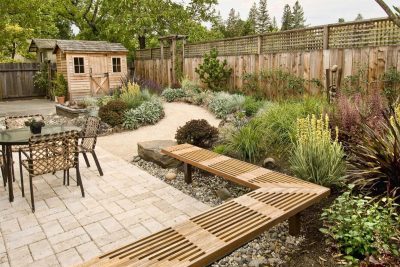
With mixed patio materials, it is possible to create a space that is truly your own without compromising on form and function. It really comes down to planning and attention to detail, such as texture, color, and transition, and some trade secrets.
About – How to make patio material transitions. Brick, stone, or pavers with a contrasting color are great to use for bordering a patio or to separate areas. A stone patio border with brick, for instance, can border the area. Borders can signal where the seating area begins and ends, and where the garden beds or pathway begin.
Accents in particular areas with focal material, such as black stone on a fireplace, provide a lot of visual appeal. Obviously, select border material in the same color as the patio.
Inlays used for ornamental reasons introduce a dash of personality. Stone or tile can be arranged to create geometric or free-form patterns that give the patio an added look. A round stone inlay under a dining table, for example, introduces drama.
Inlays work best to mark off rooms, such as a resting alcove or doorways. Having the inlay material match the surface, i.e., creating the same color as a complementary tile, makes it harmonious.
Patio sections’ patterns create functionality. Gravel, pavers, or stamped concrete can constitute pathways. For instance, a gravel path from patio to deck adds texture and contrast. Offer paths with sufficient widths, a minimum of 1.2 meters, to stroll comfortably. Incorporate designs into the patio design.
Rough and smooth textures combined cancel one another out. Combining wood with highly finished stone adds depth. Stamped concrete, for example, can mimic slate and other natural finishes, combining utility and beauty. Different finishes on cushions, rugs, or furniture pieces also contribute to the layered look.
A dramatic contrast is made between dark and light colors. A white-furniture, old-fashioned-style patio made of gray stone is new age in appearance. Use bold accent color sparingly, for example, brightly colored pillows, lest they fight each other. Try to coordinate colors against the material, furniture, and accents to unite the space.
As you mix and match materials during the building of a patio, it changes an outdoor area and turns it into something functional and yours. With the integration of texture, color, and finish, you have the privilege of enjoying a space that is definitely cohesive but personalized.
Would you like to build a patio that will be unique? Call us at TurnKey Patio, and let’s redefine your outdoor area together as your personal sanctuary.
 Turnkey Patio