Residential License # 890459
Commercial License # 3667
Claim Your FREE Estimates Today!
Talk to an Expert
Residential License # 890459
Commercial License # 3667
Talk to an Expert

1. Key Takeaways
2. Comparing Key Features of Fiber Cement and Vinyl Siding
5. Find the Best Fit For Your Home
With unmatched longevity and a finish that closely approximates real wood, fiber cement is ideal for those who will accept nothing short of something lasting the test of time. Vinyl siding is cheaper. It requires less maintenance than you have to perform over and over again, which appeals to homeowners who simply want low-end options.
Knowing the differences in material with this guide from Turnkey Patio, where each option shines in different climates, and how much maintenance both require, will ensure that you make the right choice for your home. If you’re thinking about new siding, let’s talk through your options together. Reach out to us today—we’d love to help you find the right fit.
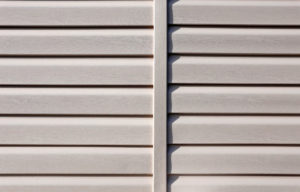
While deciding between fiber cement as opposed to vinyl siding, always keep in mind the pros and cons of both while evaluating. They each have advantages and disadvantages.
The look of siding is maybe the strongest component of a home’s curb appeal. Fiber cement siding is made from a combination of wood pulp and Portland cement and has a traditional look as it is designed to imitate stucco or wood and has different textures and finishes for a custom look.
Vinyl siding is made with PVC plastic resin. Another important fact to know about vinyl is that it is also flexible since it can come in many colours and many styles. You can have a classic historic appearance or a clean, modern design. In certain cases, it does appear more “man-made” than fiber cement. Fiber cement generally has a more natural look.
Homeowners are concerned about price as well as other aspects of both fiber cement and vinyl siding, and the price difference between the two can be enormous! Fiber cement siding can normally be acquired and installed on an average home for around $5 to $14 per square foot, and this is surely also an indication of its quality and lifespan. Vinyl siding is the less costly option at $3 to $12 to buy and install.
Though more expensive to start with, fiber cement’s extended lifespan and upscale appearance can provide more long-term value. Vinyl siding is affordable and simple to install, making it a bestseller for budget-friendly remodels or projects with tighter budgets.
The amount of siding maintenance affects both convenience and future costs. Vinyl siding is very low-maintenance- you’ll have to wash off now and then with the assistance of a garden hose and soap, which is ideal for busy homeowners.
Fiber cement siding is also long-lasting, but it is slightly more complicated, and yet it still offers a maintenance-free solution. Fiber cement should be scrubbed once a year and should have caulking redone occasionally to prevent moisture problems.
While buyers like the upscale look and durability of fiber cement, the look appears to be more robust to situations in harsh climates and therefore provides more of a maintenance requirement.
Fiber cement cannot be eaten by insects, it cannot rot, and it is fireproof. It is also resistant to harsh weather conditions, making it an optimal product to install in severe weather areas, such as hurricane areas like those in New Orleans.
While vinyl siding has a nearly equal performance in durability and moisture resistance, it is not quite as strong in severe weather conditions. Fiber cement will warp or crack during severe weather, and exposure to direct sun for too long will make it brittle and gray.
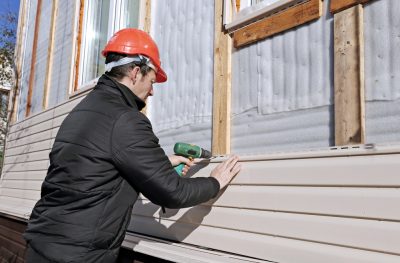
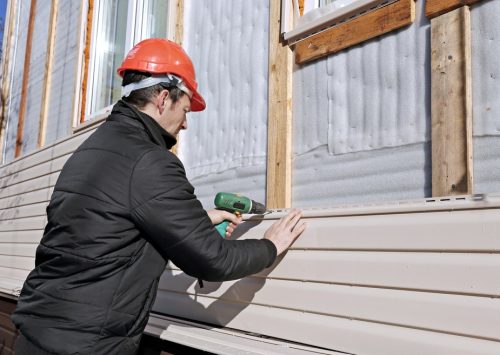
Vinyl siding has two distinctly different types of installation and labor compared to fiber cement siding. Vinyl siding is a comparably light material at 30-35 lbs/sq ft, easy to install and easy to maneuver, with resultant labor savings and added progress on the project schedule.
Fiber cement siding is quite heavy, weighing 150 lbs for every 50 square feet. Fiber cement siding is so heavy that we must employ powerful equipment and skillful labor just to be capable of installing the siding properly, thus sometimes incurring more expense and complexity. However, this added weight contributes to its durability and superior performance.
For durable siding, fiber cement is your most durable option, potentially lasting 50 years or longer with proper maintenance. Most manufacturers offer a 30- to 50-year warranty that represents value to homeowners with long-term goals.
Long-lasting as fiber cement siding is, regular vinyl siding will not last quite as long, and in a hotter climate, the color will likely fade and the siding will likely warp within 10 years or 15 years at the longest. Its warranties only reach as high as 30 years, which is good but not as spectacular as fiber cement.
Environmentally conscious homeowners can opt for fiber cement siding as an environmentally friendly choice. Composed of natural components such as wood pulp and cement, it is generally manufactured sustainably. Its longevity leads to fewer replacements and therefore less waste.
Vinyl siding is recyclable, but it is made of PVC, a toxic plastic resin produced through manufacturing. Vinyl siding is low-maintenance and has durability, but fiber cement has a significantly smaller environmental impact than vinyl siding.
Is fiber cement or vinyl siding best? Take your time to weigh your options for yourself and your lifestyle. Making the right siding choice from the start will save you unnecessary aggravation, time, and money.
Both siding types have their own advantages, so the best choice comes down to your home’s needs and long-term goals. Taking a thoughtful approach now will give you peace of mind later.
Don’t forget to ask an expert from TurnKey Patio for their thoughts! We’re here to guide you through every step so you can feel confident in your siding decision. Ready to explore your options? Call us today and let’s get started!

 Turnkey Patio