Residential License # 890459
Commercial License # 3667
Claim Your FREE Estimates Today!
Talk to an Expert
Residential License # 890459
Commercial License # 3667
Talk to an Expert

When deciding between concrete and pavers, it’s more than just choosing a material—it’s about creating the right atmosphere for your outdoor space. Whether you’re exploring affordable patio installation services or considering the best materials for custom patio designs, the decision comes down to weighing the pros and cons of each.
At TurnKey Patio, we provide expert guidance to help you explore patio design ideas, whether for small backyards or luxury outdoor spaces. Let our skilled patio builders help you create a space that enhances your home’s value and complements your lifestyle.
Ready to transform your outdoor space? Contact TurnKey Patio today for a consultation, and let’s bring your vision to life!
Selecting the right patio paving material is a significant step that impacts the overall look, longevity, and maintenance requirements of your outdoor space. Your choice should align with both your aesthetic goals and how you plan to use the patio over time.
Concrete is a reliable and practical option for those seeking a sturdy material that offers a balance between affordability and design potential. It’s well-suited for a wide range of environments and can be adapted to fit various outdoor styles.
 Timeless Appeal: Known for its enduring strength and suitability for high-traffic areas.
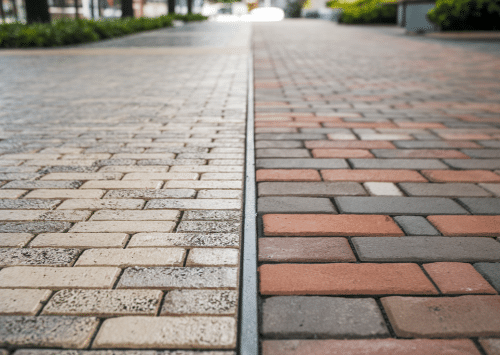
For those looking to combine durability with creative design, pavers offer a highly customizable solution. With a range of materials and patterns, they provide flexibility in both form and function, allowing homeowners to create a unique patio layout.
Choosing the right material also depends on how long it will last and how well it stands up to elements like weather and usage. Materials differ significantly when it comes to durability and their ability to handle wear and tear.
Concrete patios are built for longevity. They handle heavy foot traffic and withstand harsh weather conditions. However, over time, cracks may develop, which can lead to more significant issues if left untreated. To keep your concrete patio in great shape, regular upkeep is necessary, such as sealing it every few years to protect against moisture and cracking.
Despite its strengths, concrete can crack, especially in extreme temperatures or if not properly installed. This type of damage not only affects how the patio looks but can also compromise its structure. Choosing a skilled installer is key to minimizing these risks. Also, it’s important to think about your local climate when selecting your patio material.
Pavers hold a distinct advantage when it comes to durability. Unlike concrete, pavers don’t crack easily under temperature changes, and if one does break, you can replace it without having to repair the entire patio. Pavers are also easy to maintain—simple sweeping and rinsing usually keep them looking great, and for stains, there are specific cleaners that won’t cause damage.
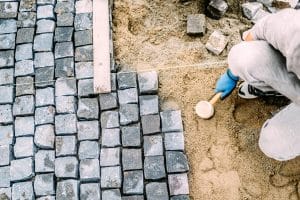 The right patio material not only improves the look of your outdoor space but also offers numerous design options to personalize your patio according to your style. Choosing a material that balances aesthetic appeal and flexibility is key to creating a space that reflects your vision.
Concrete has come a long way from its plain, basic origins. Modern techniques have transformed concrete into a versatile material that can be customized to suit various design preferences.
Pavers are well-known for their extensive design possibilities, offering homeowners a wide range of creative choices for personalizing their patios.
Choosing the right material involves considering both the cost and the installation process. Each material has its own set of advantages, as well as factors to weigh before deciding.
Concrete patios are relatively straightforward to install, involving fewer steps than pavers. The process starts with ground preparation, followed by framing the area. After that, concrete is poured into the frame and left to cure. This method speeds up installation, making concrete a more cost-effective option upfront, though long-term maintenance needs to be factored in, as cracks may need repairs over time.
The installation of paver patios is more detailed, starting with a base layer, followed by sand, and finally placing the pavers individually. While this method allows for more intricate designs, it also takes more time and effort. Though the initial cost may be higher, the durability and ease of replacement can save money in the long run.
Costs include more than just the installation. It’s also about the materials, labor, and future maintenance. Concrete tends to have a lower initial price, but potential repair costs should be kept in mind. On the other hand, pavers may be more expensive upfront, but their long-term value due to easy maintenance and durability can be worthwhile.
Both concrete and pavers have specific maintenance requirements. Concrete can crack or stain over time, while pavers may shift or require re-sanding occasionally. Regular inspections by professionals are recommended for both materials to address any potential issues before they become bigger problems.
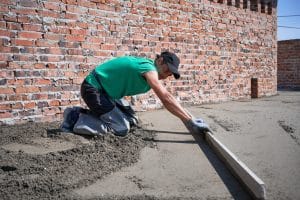 Concrete patios benefit from routine maintenance to keep them looking their best. Sealing the concrete helps prevent water damage and staining, while a good cleaning followed by a sealant application every few years maintains both its appearance and durability.
It’s also important to address any stains or cracks quickly, as this can extend the life of the patio and prevent further damage.
Pavers, on the other hand, require less maintenance. Regular sweeping and occasional rinsing are usually enough to keep them looking fresh. Weeds can sometimes grow between the pavers, but using polymeric sand during installation helps to reduce this issue.
If a paver gets damaged, it can easily be replaced individually, making pavers a cost-effective option for long-term upkeep.
Ultimately, the best material for your patio depends on your specific needs and preferences. Concrete provides an affordable, durable, and straightforward option, making it ideal for those working within a budget or seeking a minimalist design.
On the other hand, pavers offer more design flexibility and easy maintenance, though they may have a higher upfront cost. Their long-term value and customization options make them a great choice for homeowners who want a more personalized touch.
At TurnKey Patio, we’re here to help you make the best choice for your outdoor space. Whether you’re leaning towards the simplicity of concrete or the versatility of pavers, we can bring your vision to life. Contact us today to get started on creating the perfect patio for your home.
 Turnkey Patio