Residential License # 890459
Commercial License # 3667
Claim Your FREE Estimates Today!
Talk to an Expert
Residential License # 890459
Commercial License # 3667
Talk to an Expert

Choosing between a carport and a patio cover depends primarily on whether you need to protect a vehicle or expand your outdoor living space. A carport is designed for vehicle, boat, or RV protection against sun, rain, and snow. A patio cover is designed to create a comfortable, shaded, and dry outdoor area for entertaining.
Choosing between a carport vs patio cover is one of those decisions that sounds simple until you start looking at the details. Both structures add covered square footage to your property, but they serve very different purposes. One shields your car from hail, UV damage, and fallen branches. The other turns a bare patio into a year-round entertaining space complete with fans, lighting, and comfortable seating.
At TurnKey Patio, we build both structures for homeowners across the New Orleans area. Already know what you need? Call us at (504) 285-2824 for a free estimate. If you are still weighing your options, let’s break down the differences in purpose, materials, cost, weather performance, and local regulations so you can pick the right option for your property.
Both structures provide overhead coverage, but they are designed for completely different parts of your property and different daily uses.
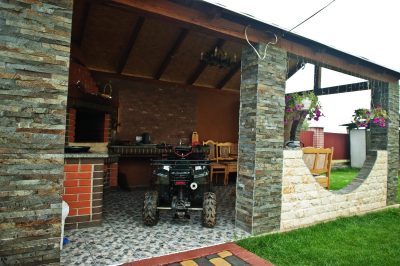
 A carport is a covered structure built to protect vehicles, boats, motorcycles, or outdoor equipment from weather exposure. Most carports are open on two or more sides for airflow and easy access, and they sit near driveways or garages.
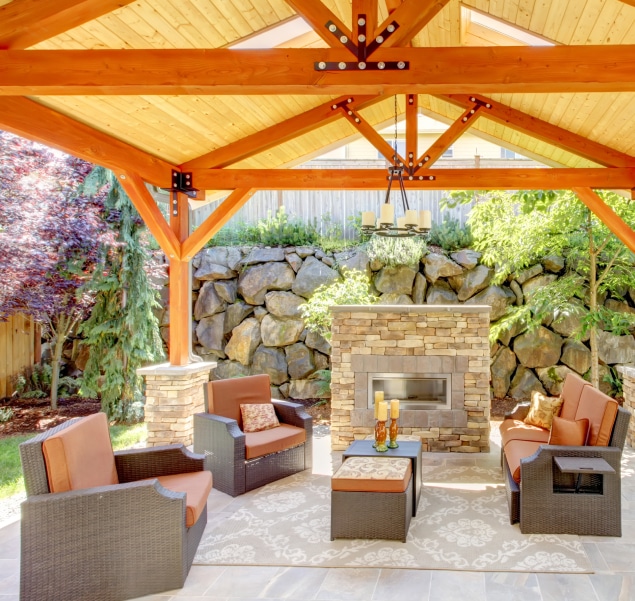
A patio cover attaches to the back or side of a house and creates a shaded area over a deck, patio, or outdoor kitchen. Unlike a carport, patio covers often include extras like ceiling fans, recessed lighting, retractable screens, or motorized blinds for temperature control.
The big difference comes down to purpose. Carports are about protection. Patio covers are about lifestyle. A carport keeps your paint job safe from intense summer sun and sudden storms. A patio cover gives you a place to grill, eat, and relax without checking the weather forecast first.
Several factors shape this decision, from how you currently use your outdoor space to what you might need from it a few years down the road.
The right pick depends on your property layout, daily habits, and long-term plans for your home. Start by answering one question: what problem are you solving? If your car sits in an exposed driveway and takes a beating from heat, rain, and tree debris, a carport is the direct fix.
If your backyard patio goes unused for half the year because there is no shade or rain protection, a patio cover changes that overnight. Homeowners regularly double their usable outdoor space just by adding a covered structure over an existing concrete slab.
Future flexibility matters too. Some carports can be enclosed later with siding or screening to create a full garage. Patio covers can expand into screen rooms or connect to outdoor kitchens as your needs grow. Choosing a structure that allows for modifications down the road saves money compared to tearing something down and starting over.
The frame, roofing, and finish you select will affect durability, maintenance demands, and how well the structure holds up in your climate.
Material choice affects how long your structure lasts, how much maintenance it requires, and how it looks next to your house. Carports are typically built from steel or aluminum because both metals resist rust, require minimal upkeep, and handle heavy wind loads common in coastal and subtropical regions.
Patio covers offer more variety. Aluminum is the most popular option for its durability and low maintenance. Wood adds warmth and a traditional look but needs regular staining or sealing in humid climates. Composite materials split the difference between appearance and longevity. Fabric covers work for temporary shade but will not hold up against strong storms or sustained high winds.
The roofing material matters just as much as the frame. Insulated aluminum roof panels reduce heat transfer and keep the area beneath noticeably cooler. Polycarbonate panels let natural light through while blocking UV rays. Standing-seam metal roofing matches most residential rooflines and adds curb appeal.
Budget is one of the biggest deciding factors for most homeowners. Here is what to expect for each structure based on current material and labor pricing.
Carports generally cost less because they use fewer materials and require less finishing work. A basic aluminum carport runs between $2,000 and $6,000 depending on size and whether it is freestanding or attached to the house. Carport costs stay lower across the board because the structures are simpler and do not require electrical, trim work, or architectural matching.
 Patio covers, with their additional design features and home attachment, typically range from $3,500 to $13,000 or more based on materials, size, and added features like integrated lighting or fan mounts. Wood patio covers sit at the higher end of the price spectrum, averaging $7,000 to $13,000 installed for a standard 10×10 area. Aluminum and Alumawood covers land closer to $3,000 to $5,500 for the same footprint.
The value equation is different for each one. Carports protect an asset you already own — your vehicle. That means less sun damage to paint and interiors, fewer hail repair bills, and a longer lifespan for your car exterior finish. Patio covers create entirely new living space. A well-built patio cover can increase a home resale value because buyers see it as extra usable square footage.
A new outdoor structure should look like it belongs on your property, not like it was bolted on as an afterthought.
Absolutely. A carport or patio cover that clashes with your roofline, siding color, or trim style will look like an afterthought and can hurt your property appearance. The goal is a structure that blends in so well it looks like it was always part of the original build.
Match the roof pitch and material to your existing roof whenever possible. Coordinate colors with your siding, gutters, and trim. If your home features wood siding or vinyl siding, select a structure finish that complements that material. Even small details like fascia board profiles and gutter style make a noticeable difference in how connected the new structure looks.
Carports benefit from this attention too. A powder-coated aluminum carport in a color that matches your home trim looks intentional. A bare metal structure sitting alone in the driveway does not.
Your local climate determines which materials will last, what anchoring you need, and how comfortable the covered space will be year-round.
Weather plays a bigger role in this decision than most homeowners expect. In regions with heavy annual rainfall, both structures need proper drainage. A sloped roof with integrated gutters directs water away and prevents pooling on the ground below.
For areas prone to hurricanes or tropical storms, material thickness and anchoring are the top concerns. Steel and aluminum frames rated for high wind loads hold up far better than lighter-gauge metals or wood during sustained gusts. Hurricane-rated fasteners, adequate post depth, and engineered footing connections keep the structure locked to its foundation.
Heat is the other factor. In hot, humid climates, insulated roof panels on a patio cover make the difference between a comfortable shaded area and an oven. Standard single-layer metal roofing absorbs and radiates heat, while insulated panels with an EPS foam core block thermal transfer and can drop the temperature underneath by 15 to 20 degrees.
Carports face less heat concern since airflow is open on all sides, but UV-resistant coatings on the roof panels still matter for protecting the vehicle parked below.
Permitting is one step homeowners often overlook until the project is already underway. Getting it right from the start prevents costly setbacks.
Most municipalities require a building permit before adding a carport or patio cover to a residential property. Permit requirements typically cover setback distances from property lines, maximum height restrictions, allowable materials, and structural load ratings.
Skipping the permit process can lead to fines, forced removal of the structure, or complications during a home sale. Zoning ordinances in some areas also distinguish between carports and patio covers in terms of where they can be placed on a lot. A carport might be allowed in a side yard setback where a patio cover is not, or vice versa.
Before committing to either structure, check with your local building department or hire a licensed contractor who handles permitting as part of the project scope. This avoids surprises after the build is already underway.
If you need vehicle protection and outdoor living space but do not have room for two separate builds, a hybrid structure handles both under one roof.
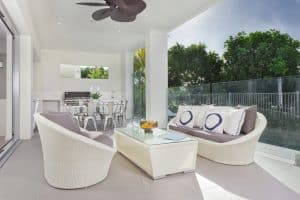 Yes, and hybrid structures are growing in popularity. A hybrid design puts vehicle protection on one side and a shaded living area on the other, all under a single roofline. This works especially well on properties with limited space or narrow lots where building two separate structures is not practical.
Hybrid designs save on materials and labor compared to building each structure independently. They also create a unified look that ties together your driveway and backyard. The shared roofline eliminates awkward transitions between separate structures and simplifies drainage.
Both carports and patio covers add function, protection, and value to a property. A carport is the smart pick when vehicle protection is the priority. A patio cover wins when the goal is expanding your outdoor living space. And a hybrid gives you the best of both.
The right choice depends on your lot, your climate, your budget, and how you plan to use the space five years from now. At TurnKey Patio, we help New Orleans homeowners match the right structure to their property — from custom patios and patio covers to carports and home decks. Contact us today for a free estimate, or request one online today.
A carport adds functional value by protecting vehicles from weather damage, which appeals to buyers in storm-prone regions. While it may not increase appraised value as much as a patio cover, a professionally installed aluminum or steel carport still improves curb appeal and buyer interest.
Many freestanding and attached carports can be enclosed with walls, garage doors, and siding after the initial installation. The original structure needs to be engineered to support the additional load. Discussing future-proofing with your contractor during the design phase avoids costly retrofits.
Aluminum is the top choice for humid regions. It resists rust, mold, and warping without requiring regular sealing or staining. Insulated aluminum panels add thermal protection and keep covered spaces comfortable during hot, humid months.
Most cities and counties require a building permit for attached or freestanding covered structures. Permits verify that the project meets wind load ratings, setback distances, and height requirements set by local zoning ordinances.
Timelines vary based on size, materials, and design complexity. A standard attached aluminum patio cover typically takes 2 to 5 days to install after materials arrive. Custom designs with added features like motorized blinds or integrated electrical work may take longer.
A hybrid structure combines vehicle protection and outdoor living space under one roof. One section covers your car, truck, or boat while the other provides a shaded area for seating, storage, or grilling. This design is practical for smaller lots where two separate structures will not fit.
When properly engineered and anchored, aluminum and steel patio covers can meet building code requirements for wind load resistance. The structure needs hurricane-rated fasteners, adequate post depth, and engineering specific to the property wind exposure zone.
 Turnkey Patio