Residential License # 890459
Commercial License # 3667
Claim Your FREE Estimates Today!
Talk to an Expert
Residential License # 890459
Commercial License # 3667
Talk to an Expert

Some signs that it’s time to replace your siding include cracks, warping, or rot, as these can affect your home’s weather protection. Peeling or fading paint may also signal aging materials, while rising energy bills often point to poor insulation. Mold, mildew, or recurring moisture problems should also be addressed promptly. Recognizing these indicators helps maintain your home’s comfort and appearance.
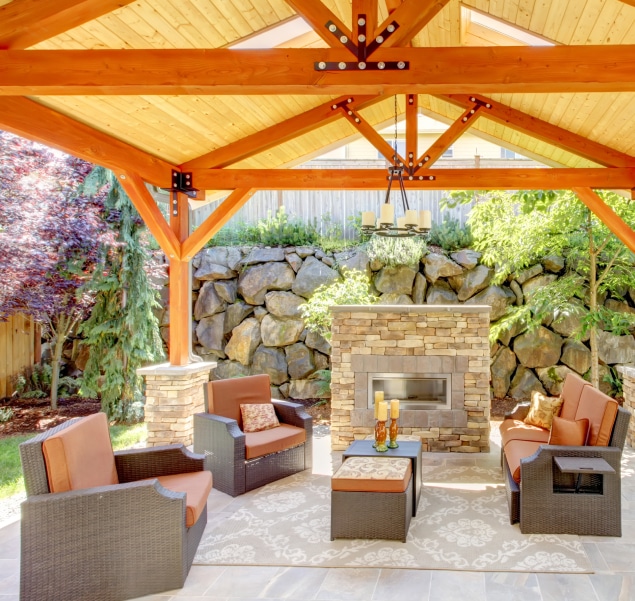
Make your backyard the place everyone loves to gather with TurnKey Patio. Whether you want a cozy retreat or a stylish entertainment space, we have the right solutions. Contact us at TurnKey Patio today to set your appointment and bring your dream outdoor retreat to life.
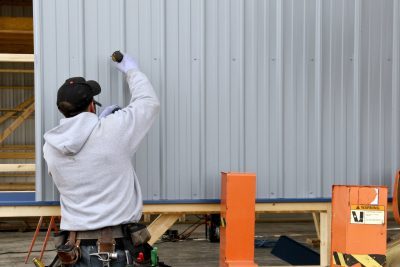
The siding of your house is not merely something that makes our home pretty; it also keeps us out of the weather, pests, and other day-to-day damages. But no siding lasts forever. Its service life is limited to material, climatic, and servicing.
Vinyl siding is cheap and long-lasting, with a life span of 20 to 40 years, but when subjected to extreme sunlight or rainfall, it might not last long. Fiber cement siding is weather and pest-resistant with a life span of 30 – 50 years and above. Wood siding offers old-fashioned beauty but requires frequent maintenance to avoid rot and insects, and has a life expectancy of more than 20 years with maintenance.
When the right side, which is approaching its projected age, that is, 20 years of the vinyl or 30 years of fiber cement, then we should start planning the replacement. More modern materials, including insulated vinyl and more sophisticated fiber cement, are now more resistant and less susceptible to repairs.
Being proactive pays off. We have regular check-ups and replacement of our home to make sure that the building, appearance, and value are in order and secure.
The scruffy, broken, or curved siding cannot provide your house with a good covering. When we started noticing that there was a problem with moisture or pests or higher costs of energy, then it was one sign that our siding was not faring well. Not only that changing it bring efficiency to our home, but it will bring it back to its looks and safety.
When our siding has any cracks, holes, or peeling paint, then we know that we have lost our protective coating. These vices admit of moisture, which causes rot and mold, and even attracts the insects and rodents.
When our siding is more than 20 or 30 years old, these evils will only increase–and it will be cheaper to have it replaced than patched every time it is blown out.
Bubbles or warped panels are normally indicators of trapped moisture, either due to poor fitting, weathering, or old material. When this occurs, our siding will not allow the elements to be blocked out, and the value of the home can be lost.
The fading of the color to a deep shade will show that the protective coating of protection is torn. Without it, the siding will be subjected to sun rays, precipitation, and changes in temperature. More serious issues may also be implied by discoloration, e.g., water stains or mold.
We may find water spots, peeling paint, or molding in the interior, which may imply the failure of the exterior siding. Neglecting these indications means moisture will lead to internal and external structural damage.
Have power bills been increasing? This could be attributed to poor insulation as a result of old age or worn-out siding. The siding cannot hold the conditioned air, and therefore, the HVAC system would have to work harder, hence increasing the cost.
Board less siding can have tiny cracks or holes that are openings for pests. When they enter, they can destroy insulation, wiring, among others.
Sealing the siding tightly is one way of ensuring that we are not attacked by expensive infestation.
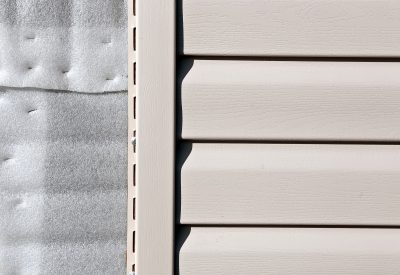
Not all of such problems are visible. The failures in the hidden siding may silently ruin the building of our house and our budget. The rotting or soft spots usually indicate stagnant moisture, and once the rot begins, it spreads fast.
We may also observe peeling paint, blistering wallpaper, or water stains in the house- all indications that moisture has sneaked over the side. In addition to that, cracks and gaps may cause air leaks that lead to higher heating and cooling bills.
Our siding material is dependent on its lifespan. Simple vinyl siding can last 10-20 years, whereas high-end substances such as steel can have a lifespan of 50 years and beyond. No matter what it is made of, regular checkups, such as checking cracks and holes, could prevent us from spending a fortune on fixing them later.
Siding shields our house and also helps us define the look of our house, but our best materials will fade. Professionally changing the siding to a new one enhances durability, energy efficiency, and lessens maintenance.
The proper material choice, as well as a proper choice of a professional, guarantees permanent quality and value. New siding is an investment that provides more comfort and appearance, even when it is not a complete replacement but just an exterior update.
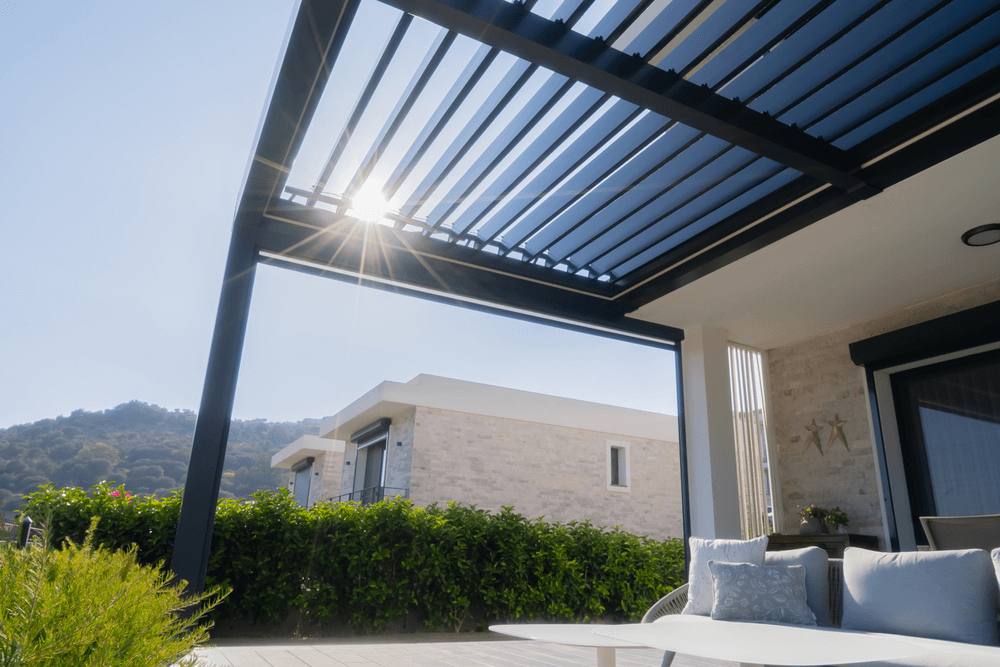
And in case we are also dreaming about a nice backyard upgrade, TurnKey Patio can make it come true. Whether it is a custom pergola or outdoor kitchen, we will assist in creating an outdoor space that will match your home perfectly.
Book a free consultation now– your house will be the best, both indoors and out!

 Turnkey Patio