Residential License # 890459
Commercial License # 3667
Claim Your FREE Estimates Today!
Talk to an Expert
Residential License # 890459
Commercial License # 3667
Talk to an Expert

Choose patio flooring that balances beauty and durability. Concrete pavers allow for customization, while natural stone offers timeless appeal. Composite decking is low-maintenance and durable. Brick adds charm and lasting strength, and stamped concrete mimics pricier materials at a lower cost.
Each option has unique benefits based on your climate, intended use, and style preferences. Understanding these choices helps homeowners create a functional and stylish outdoor space. Turnkey Patio can assist you in getting the right patio flooring for your property—reach out to us today and let’s bring your ideal outdoor space to life.
When selecting the best flooring for your patio, consider the durability, maintenance, cost, style, and climate in your area. Every one of these factors contributes greatly to the long-term performance and aesthetic of the outdoor space.
Durability affects how well flooring withstands daily use over time. High PEI-rated ceramic and porcelain tiles are exceptionally durable, often outlasting natural materials in tough conditions.
Rubber pavers are flexible and durable, though they may need occasional refilling, making them budget-friendly. Traditional wood offers a natural aesthetic but typically lasts only 10–15 years without advanced treatments.
Ceramic tiles require regular sealing and cleaning to avoid stains, while well-maintained laminate flooring can last up to 25 years outdoors. Rubber pavers need minimal maintenance, but surface wear may occur in high-traffic areas. With proper upkeep, all these options can be long-lasting.
Budgeting goes beyond installation costs. Rubber pavers may be affordable initially, but consider refilling expenses. Ceramic tiles might have a higher upfront cost, yet they provide lasting durability and beauty. Balancing cost and durability is key for a sound long-term investment.
Aesthetic choices are crucial in selecting materials. Ceramic and porcelain tiles come in various patterns that can imitate wood for a refined look. Rubber pavers can resemble stone or brick but lack the polished finish of natural materials. Matching styles with home architecture enhances curb appeal.
Climate significantly influences flooring performance. For example, wood can warp in humid conditions, while rubber pavers excel in resisting weather. Tiles handle temperature changes well but require careful installation to prevent cracking. Choosing materials suited to your climate leads to more durable patio flooring.
Concrete flooring is a popular choice for patios due to its durability, versatility, and aesthetic appeal. When properly installed and maintained, concrete can be a long-term investment for outdoor spaces. Concrete patios are typically poured at least four inches thick, providing a strong surface supported by compacted dirt or a sand and gravel base for drainage.
While concrete is sturdy, it can be tough on the feet and can become hot in direct sunlight. Water can lead to mold and rough patches, but regular sealing can help prevent these issues.
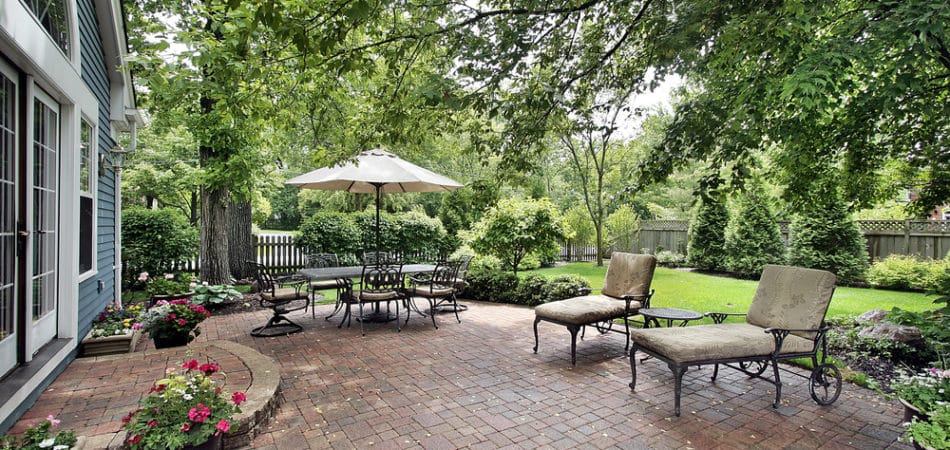
Brick pavers offer a warm, rustic look that works well in various outdoor styles and can last for decades if placed on a solid base. However, they may buckle in colder climates due to ground movement, and salt can damage their surface.
Porcelain tiles are even stronger and resistant to heavy use and weathering, making them a great alternative to ceramic tiles. While durable, they can still experience issues in harsh conditions. Overall, both materials provide beauty and functionality for outdoor areas.
The decision to choose between traditional wood and composite decking for patio flooring depends on certain pros and cons that meet different preferences. Since they give that classic look and therefore remain popular, traditional wood, such as cedar, offers durability but requires cleaning and staining now and then to survive for 10-15 years. It can be expensive, but it is still a very popular option for its timeless appeal.
On the other hand, composite decking is made from bamboo, wood fibers, and recycled materials. With a decent 25-30-year life and less maintenance involved, it is a good long-term investment, but it can get hot in direct sunlight.
For flooring, ceramic and vinyl tiles are good choices for the patio, boasting different advantages. Ceramic tiles are durable and elegant, lasting between 10 and 20 years with care. They are resistant to water but may crack under extreme temperature changes, costing, on average, between $1 and $50 per square foot, fitting as many budgets as possible.
Vinyl tends to be cheaper; it ranges on the lower end from about 50 cents to $10 per square foot and can last from a couple of years to 20 years. Although they do not last long, their cost appeal does make up for their limited lifespan.
1. When it comes to choosing patio flooring, peel-and-stick tiles, rubber pavers, and outdoor laminate flooring each have their own set of advantages when it comes to style, durability, and maintenance.
Peel-and-stick tiles can be installed with no special tools, making them a great choice for any DIYer. When treated correctly, they may well last for generations and are available in many styles and patterns for much less than you’d have to pay for real tiles.
2. About combining performance and adaptability, rubber pavers can give a rich natural look while remaining durable, water-resistant, and comfortable. They often last far longer than traditional wooden decks, making them perfect for families seeking less maintenance.
3. Outdoor laminate flooring has all the natural wood looks but will stand up to warping and moisture damage. It lasts over 25 years with maintenance and also transitions seamlessly from indoor to outdoor space.
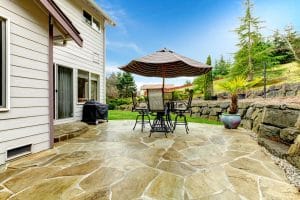
Natural stone and gravel are two diverse options for patio flooring. Natural stone, like marble, limestone, and slate, offers sophistication and durability, with marble aging beautifully, limestone providing a calming look, and slate being ideal for high-traffic areas.
While gravel flooring is affordable and easy to install, it can become uneven over time and requires periodic refilling, making it better suited as an accent rather than the main patio surface.
Choosing the best outdoor flooring relies on how you plan to use the space, what your climate is like, and what’s already going on in your area. Each outdoor space comes with different needs, and the appropriate material can make all the difference in achieving a practical and beautiful space.
When it comes to decks and balconies, lightweight yet durable materials are essential. Composite decking, made from eco-friendly recycled wood fibers and resins, is ideal as it resists warping and fading.
For added comfort, low-pile outdoor carpets are easy to install. Rubber pavers are versatile and slip-resistant, offering a durable surface that mimics real stone or brick. These options balance style and practicality, especially in elevated areas where weight and safety matter.
In snowy climates, durability and water resistance are crucial. Rubber flooring excels with its slip-resistant qualities and ability to withstand cold. Ceramic tiles are water-resistant but need sealing to handle snow and ice. Treated wood decks can last up to 15 years with proper maintenance, while rubber pavers require low upkeep and perform well in harsh winters.
For hot weather, choose materials that stay cool. Artificial grass retains 30-50 degrees less heat than asphalt or concrete. Composite decking is designed to endure extreme conditions without cracking or fading. Ceramic tiles can help shaded areas remain cool, but require maintenance.
For uneven or grassy spaces, interlocking rubber tiles provide a slip-resistant solution that adapts to the landscape. Budget-friendly peel-and-stick tiles are easy to install but are best for temporary use. Gravel offers a permanent surface option, while composite pavers create a refined look.
Selecting the right patio flooring can transform your outdoor space. Each option has its benefits, whether you prefer the durability of concrete, the charm of brick, or the beauty of wood. A well-designed patio enhances your home and surroundings, providing years of enjoyment with minimal maintenance.
For personalized advice, consult with Turnkey Patio to help you select and install the perfect flooring. Start creating your dream outdoor oasis with the right materials. Let us help you bring your vision to life—reach out to us today and see how we can make your patio both stylish and durable.
 Turnkey Patio